Workplace Safety Plan Template
Workplace Safety Plan Template: A Comprehensive Guide
A workplace safety plan is a crucial document for any organization, regardless of size or industry. It outlines the procedures and policies designed to protect employees from potential hazards and risks, promoting a safe and healthy work environment. A well-structured safety plan not only reduces the likelihood of accidents and injuries but also improves employee morale, productivity, and reduces potential legal liabilities. This guide will provide a detailed overview of a comprehensive workplace safety plan template, covering key components and practical steps for effective implementation.
Key Components of a Workplace Safety Plan Template
-
Introduction and Purpose
This section should clearly state the purpose of the safety plan and its overall objectives. It should emphasize the organization’s commitment to providing a safe and healthy workplace for all employees. Include a brief description of the company, its mission, and its values regarding safety. This section should also clearly define the scope of the plan, specifying which areas and activities it covers.
-
Management Commitment and Employee Involvement
Demonstrate top-level management support for the safety plan. This includes a written statement from senior leadership emphasizing their commitment to safety and allocating resources for its implementation. Outline how employees will be actively involved in the safety program, such as through safety committees, hazard reporting, and participation in training programs. Clearly define roles and responsibilities for all levels of employees in relation to safety protocols.
-
Hazard Identification and Risk Assessment
This is a critical section that details the process for identifying potential hazards in the workplace. This could include physical hazards (e.g., slippery floors, machinery), chemical hazards (e.g., exposure to toxic substances), ergonomic hazards (e.g., repetitive motions), and biological hazards (e.g., exposure to infectious diseases). Describe the methods used for hazard identification, such as workplace inspections, job safety analysis (JSA), and employee feedback. Outline a risk assessment process to evaluate the severity and likelihood of each identified hazard. Prioritize hazards based on their risk levels, focusing on those that pose the greatest threat to employee safety.
-
Hazard Control Measures
This section details the specific control measures implemented to mitigate or eliminate identified hazards. It should follow a hierarchy of controls, prioritizing the most effective solutions:
- Elimination: Removing the hazard entirely from the workplace.
- Substitution: Replacing a hazardous substance or process with a safer alternative.
- Engineering Controls: Implementing physical changes to the workplace to reduce or isolate the hazard (e.g., machine guards, ventilation systems).
- Administrative Controls: Implementing procedures or policies to reduce exposure to the hazard (e.g., job rotation, safety training).
- Personal Protective Equipment (PPE): Providing employees with appropriate PPE to protect them from hazards (e.g., gloves, safety glasses, respirators).
For each identified hazard, clearly describe the specific control measures that will be implemented and maintained. Include details on how these controls will be monitored and evaluated for effectiveness.
-
Emergency Preparedness and Response
Outline procedures for responding to various types of emergencies, such as fires, medical emergencies, chemical spills, and natural disasters. Include details on:
- Emergency Evacuation Plans: Clearly marked evacuation routes, assembly points, and procedures for accounting for all employees.
- First Aid and Medical Assistance: Availability of trained first responders and access to medical care.
- Emergency Communication: Procedures for notifying employees and emergency services in the event of an emergency.
- Spill Control and Cleanup Procedures: Specific instructions for handling and cleaning up spills of hazardous materials.
Regularly conduct emergency drills to ensure that employees are familiar with emergency procedures.
-
Training and Education
Describe the training programs that will be provided to employees to ensure they have the knowledge and skills necessary to perform their jobs safely. This should include:
- New Employee Orientation: Introduction to the company’s safety policies and procedures.
- Job-Specific Training: Training on the hazards associated with specific tasks and the control measures in place to mitigate those hazards.
- Refresher Training: Periodic training to reinforce safety knowledge and skills.
- Specialized Training: Training on specific topics, such as hazardous materials handling, confined space entry, and lockout/tagout procedures.
Maintain accurate records of all training completed by employees.
-
Incident Reporting and Investigation
Establish a clear procedure for reporting all workplace incidents, including accidents, injuries, near misses, and unsafe conditions. Explain how incidents will be investigated to determine their root causes and prevent recurrence. Use a standardized incident reporting form to collect consistent information. Outline the steps involved in the investigation process, including gathering evidence, interviewing witnesses, and analyzing the data. Implement corrective actions based on the findings of the investigation.
-
Recordkeeping
Maintain accurate and up-to-date records related to the safety plan, including:
- Hazard Assessments: Documentation of all hazard identification and risk assessment activities.
- Inspection Reports: Records of workplace safety inspections and any corrective actions taken.
- Training Records: Documentation of all safety training completed by employees.
- Incident Reports: Records of all workplace incidents, including investigations and corrective actions.
- Medical Records: Confidential medical records related to employee injuries and illnesses (maintained in accordance with privacy regulations).
Ensure that records are stored securely and are readily accessible when needed.
-
Plan Review and Evaluation
Establish a schedule for periodically reviewing and evaluating the effectiveness of the safety plan. This should include:
- Regular Inspections: Conducting regular workplace safety inspections to identify potential hazards and ensure that control measures are being implemented effectively.
- Data Analysis: Analyzing incident data to identify trends and areas for improvement.
- Employee Feedback: Soliciting feedback from employees on the effectiveness of the safety plan.
- Management Review: Conducting a formal review of the safety plan by senior management.
Based on the findings of the review and evaluation, make necessary revisions to the safety plan to improve its effectiveness.
Implementing the Workplace Safety Plan
Once the safety plan is developed, it is crucial to implement it effectively. This involves:
- Communication: Clearly communicate the safety plan to all employees, ensuring they understand their roles and responsibilities.
- Training: Provide comprehensive training to all employees on the safety plan and its related procedures.
- Enforcement: Consistently enforce the safety plan and address any violations promptly.
- Monitoring: Regularly monitor the implementation of the safety plan and make necessary adjustments.
- Continuous Improvement: Continuously seek ways to improve the safety plan and promote a culture of safety in the workplace.
By implementing a comprehensive workplace safety plan, organizations can create a safer and healthier environment for their employees, reduce the risk of accidents and injuries, and improve overall productivity and morale.
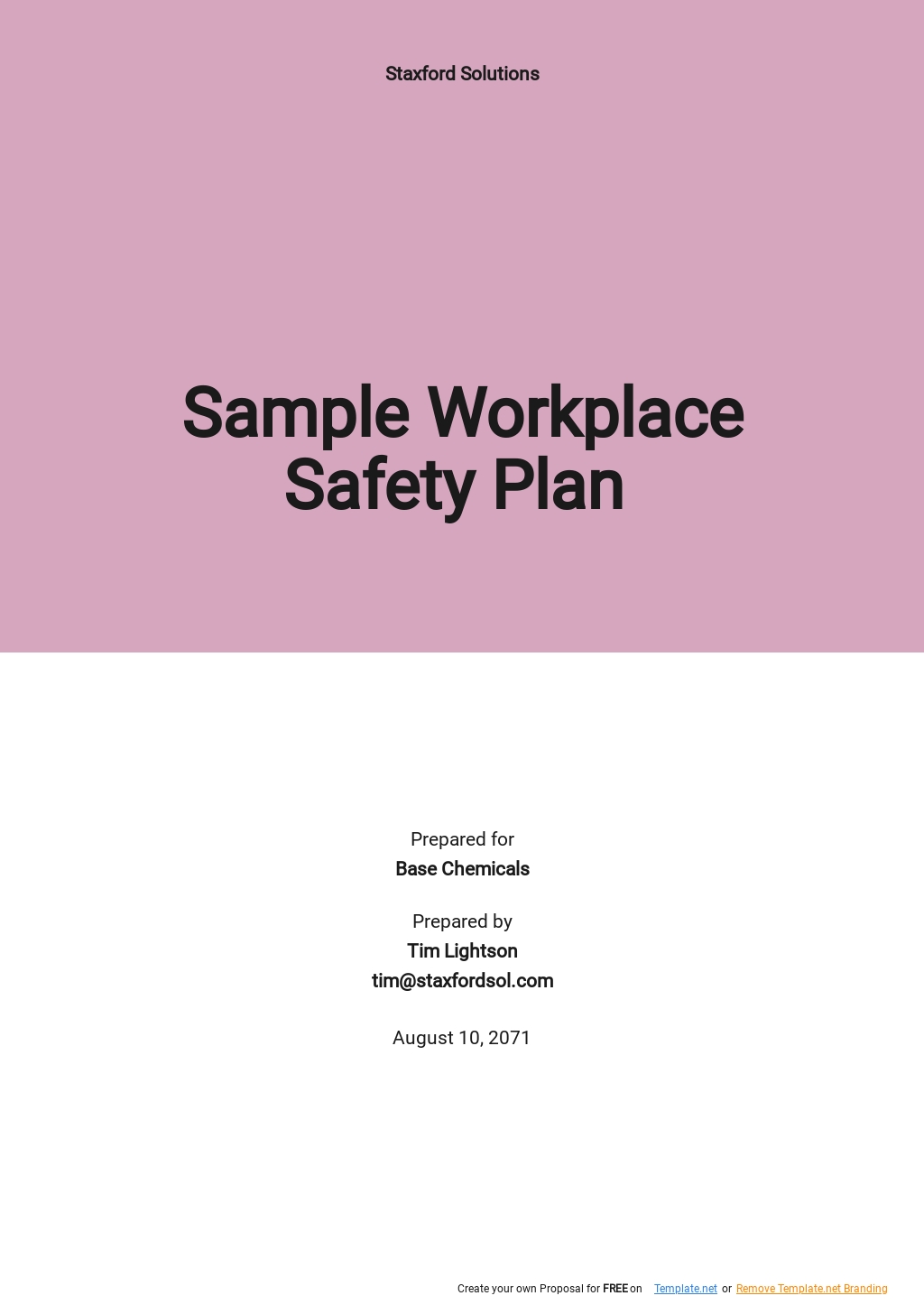 1024×1446 workplace safety action plan template google docs word apple pages from www.template.net
  1000×1415 safety program template template safety plan template from www.heritagechristiancollege.com
  2500×1932 great safety plan templates construction site specific patient from templatelab.com
  1024×1446 safety plan templates edit templatenet from www.template.net
  1024×1446 workplace safety plan templates documents design from www.template.net
 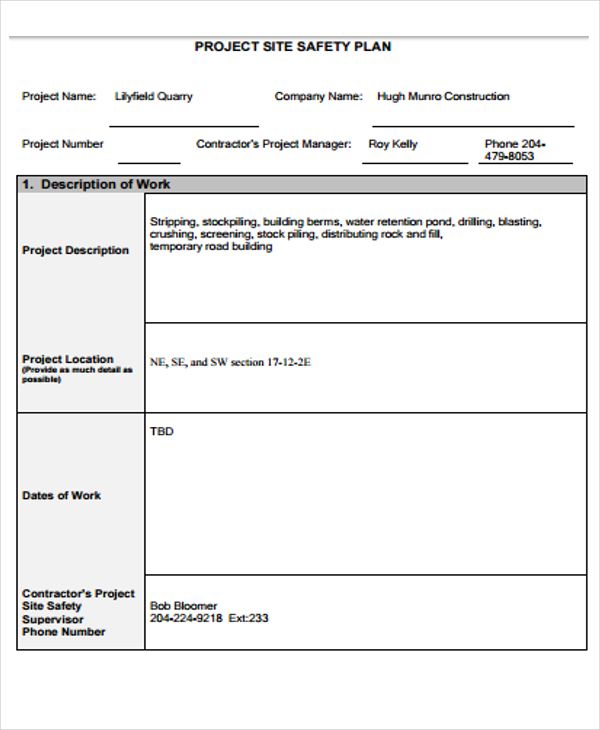 600×730 safety plan formats word docs from www.template.net
 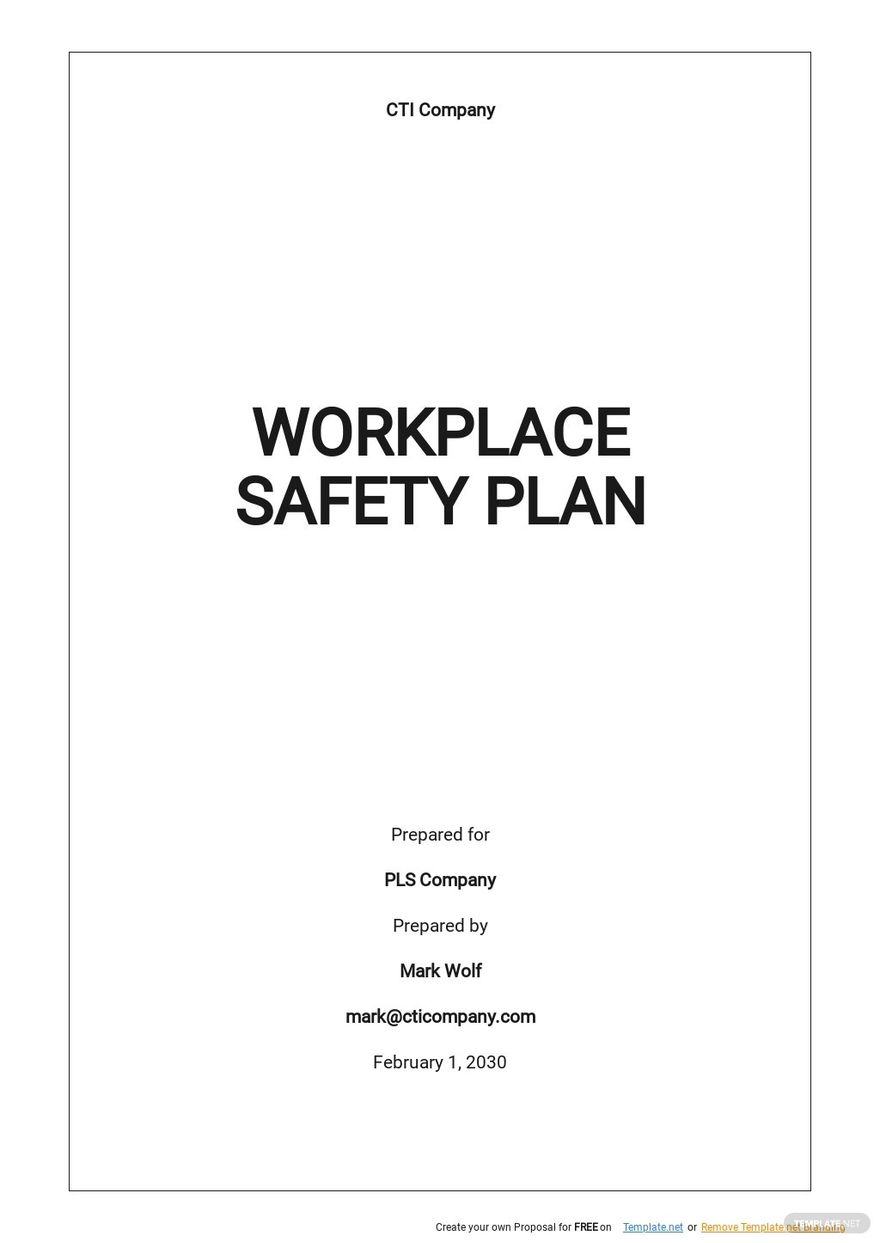 880×1243 workplace safety plan templates downloads templatenet from www.template.net



Workplace Safety Plan Template :
Workplace Safety Plan Template was posted in August 5, 2025 at 6:11 am. If you wanna have it as yours, please click the Pictures and you will go to click right mouse then Save Image As and Click Save and download the Workplace Safety Plan Template Picture.. Don’t forget to share this picture with others via Facebook, Twitter, Pinterest or other social medias! we do hope you'll get inspired by SampleTemplates123... Thanks again! If you have any DMCA issues on this post, please contact us!