Budget Worksheet For Personal Finances
The Ultimate Guide to Budget Worksheets for Personal Finance
Budgeting, the act of creating a plan for how you’ll spend your money, is a cornerstone of sound personal finance. While budgeting apps and software are prevalent, the humble budget worksheet remains a powerful and accessible tool, especially for those new to financial planning or those who prefer a hands-on approach. This guide explores the benefits of using a budget worksheet, provides a step-by-step walkthrough on creating one, and offers tips for successful implementation.
Why Use a Budget Worksheet?
Before diving into the how-to, let’s examine why budget worksheets are still relevant in today’s digital age:
- Clarity and Control: A budget worksheet forces you to confront your income and expenses head-on. Seeing everything laid out in a clear, organized manner can reveal spending patterns you weren’t aware of. It empowers you to take control of your finances and make informed decisions.
- Accessibility: Worksheets require no special software, internet access, or technological expertise. You can use a simple spreadsheet program (like Excel, Google Sheets, or LibreOffice Calc) or even a pen and paper.
- Customization: You can tailor a worksheet to your specific needs and financial situation. This flexibility allows you to track categories that are particularly relevant to you.
- Tangible Understanding: The act of manually entering data into a worksheet can lead to a deeper understanding of your financial flows. This tactile experience can be more impactful than passively viewing data in an app.
- Privacy: Some individuals are hesitant to link their bank accounts to budgeting apps due to privacy concerns. A worksheet allows you to maintain complete control over your financial data.
- Foundation for Financial Literacy: Learning to create and manage a budget worksheet is a fundamental financial skill. It provides a solid foundation for more advanced financial planning techniques.
Creating Your Personal Budget Worksheet: A Step-by-Step Guide
Here’s a breakdown of how to create an effective budget worksheet:
Step 1: Choose Your Tool
Decide whether you prefer a spreadsheet program or a physical worksheet (pen and paper). Spreadsheets offer advantages like automatic calculations and easy editing, while physical worksheets can be helpful for those who prefer a more tactile approach.
Step 2: Define Your Budget Period
Determine the period your budget will cover. Most people opt for a monthly budget, as it aligns with regular income cycles (e.g., salary payments). However, you can also create weekly, bi-weekly, or quarterly budgets, depending on your needs.
Step 3: Calculate Your Income
Accurately determine your net income – the money you actually receive after taxes, deductions, and other withholdings. This is the amount you have available to spend each budget period. Include all sources of income, such as:
- Salary/Wages (after taxes)
- Side Hustle Income
- Investment Income (dividends, interest)
- Rental Income
- Government Benefits
If your income varies, calculate an average net income based on the past few months. Be conservative in your estimates.
Step 4: List Your Expenses
This is the most crucial and time-consuming step. Compile a comprehensive list of all your expenses. Categorize them to gain a clearer picture of where your money is going. Common expense categories include:
- Housing: Rent or mortgage payment, property taxes, homeowner’s insurance, HOA fees
- Utilities: Electricity, gas, water, trash, internet, cable/streaming services
- Transportation: Car payment, car insurance, gas, public transportation, maintenance
- Food: Groceries, dining out, takeout
- Healthcare: Health insurance premiums, doctor’s visits, prescriptions
- Debt Payments: Credit card payments, student loan payments, personal loan payments
- Insurance: Life insurance, disability insurance
- Personal Care: Haircuts, toiletries, cosmetics
- Entertainment: Movies, concerts, hobbies
- Clothing: New clothes, dry cleaning
- Gifts: Birthday presents, holiday gifts
- Savings: Emergency fund, retirement savings, down payment fund
- Miscellaneous: Unforeseen expenses, subscriptions, pet care
Within each category, break down expenses into more granular details. For example, under “Food,” distinguish between “Groceries” and “Dining Out.” This level of detail provides valuable insights.
Step 5: Track Your Spending
For at least one month (ideally two or three), meticulously track your spending. Use a notebook, a spreadsheet, or a budgeting app to record every transaction. This will provide a realistic picture of your current spending habits.
Step 6: Allocate Funds to Each Category
Based on your tracked spending, allocate a specific amount of money to each expense category in your budget worksheet. Prioritize essential expenses like housing, utilities, and food. Be realistic and avoid setting unrealistic limits that you can’t maintain.
Step 7: Calculate the Difference (Income – Expenses)
Subtract your total expenses from your total income. Ideally, you should have a surplus (positive number), which represents the amount you can save or invest. If you have a deficit (negative number), you’ll need to identify areas where you can cut back on spending.
Step 8: Review and Adjust Regularly
A budget is not a static document. Review your budget worksheet at least once a month to track your progress and make necessary adjustments. Compare your actual spending to your budgeted amounts. Identify areas where you’re overspending or underspending. Adjust your budget accordingly to stay on track.
Tips for Successful Budgeting with a Worksheet
Here are some additional tips to maximize the effectiveness of your budget worksheet:
- Be Honest: Don’t underestimate your expenses or overestimate your income. Accuracy is key.
- Prioritize Needs Over Wants: Focus on covering essential expenses before allocating funds to discretionary spending.
- Set Realistic Goals: Don’t try to cut back too drastically too quickly. Gradual changes are more sustainable.
- Automate Savings: Set up automatic transfers to your savings account each month to ensure you’re consistently saving.
- Use the 50/30/20 Rule as a Guide: This rule suggests allocating 50% of your income to needs, 30% to wants, and 20% to savings and debt repayment.
- Incorporate “Sinking Funds”: Save small amounts each month for infrequent but predictable expenses, such as car repairs, holiday gifts, or vacations.
- Track Progress Visually: Use charts or graphs to visualize your progress towards your financial goals.
- Find an Accountability Partner: Share your budget with a trusted friend or family member for support and motivation.
- Don’t Get Discouraged: Everyone makes mistakes. If you overspend in one area, don’t give up. Simply adjust your budget and try again.
- Regularly Evaluate Your Budget: As your income or expenses change, update your budget to reflect your new financial situation. Life events such as a new job, marriage, or the birth of a child will require adjustments.
Conclusion
A budget worksheet is a simple yet powerful tool for achieving financial stability and reaching your financial goals. By following the steps outlined in this guide and incorporating the tips provided, you can create a budget that works for you and empowers you to take control of your money. Remember, budgeting is a journey, not a destination. Be patient, persistent, and adaptable, and you’ll be well on your way to financial success.
 2250×3300 simple personal budget spreadsheet budget worksheet excel from db-excel.com
  474×612 monthly personal budget worksheet word formats from www.dexform.com
  790×1024 personal finance budget worksheet financial db excelcom from db-excel.com
  600×800 printable budget worksheet single person from licenworksheetforkidsjul18.blogspot.com
  791×1024 personal budget spreadsheet db excelcom from db-excel.com
  792×526 personal budget worksheet personal budget worksheet from myexceltemplates.com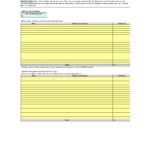


Budget Worksheet For Personal Finances :
Budget Worksheet For Personal Finances was posted in July 13, 2025 at 6:04 pm. If you wanna have it as yours, please click the Pictures and you will go to click right mouse then Save Image As and Click Save and download the Budget Worksheet For Personal Finances Picture.. Don’t forget to share this picture with others via Facebook, Twitter, Pinterest or other social medias! we do hope you'll get inspired by SampleTemplates123... Thanks again! If you have any DMCA issues on this post, please contact us!
Related For Budget Worksheet For Personal Finances

Free Wedding Budget Planning PDF Do
Free Wedding Budget Planning PDF Download Job Acceptance Letter
Sample Club Yearly Budget Template
Sample Club Yearly Budget Template PDF File Download HR