Budget By Category System Spreadsheet
Here’s an HTML-formatted piece discussing budget spreadsheets and category systems, aiming for clarity and detail: “`html
Master Your Finances: The Power of a Budget by Category Spreadsheet
Taking control of your finances can feel overwhelming, but a well-structured budget can be your roadmap to financial stability and freedom. One of the most effective tools for budgeting is a spreadsheet organized by categories. This approach offers a granular view of your income and expenses, enabling you to identify areas where you can save money, track your progress toward financial goals, and make informed financial decisions.
Why Choose a Category-Based Budget?
A category-based budget divides your income and expenses into specific categories like housing, transportation, food, entertainment, and savings. This method offers several advantages over simply tracking overall spending:
- Detailed Insights: See exactly where your money is going. You’re not just spending “money”; you’re spending on “groceries,” “gas,” or “dining out.”
- Targeted Adjustments: Identify areas where you can realistically cut back. Maybe your “dining out” category is surprisingly high, revealing an opportunity for savings.
- Goal-Oriented Tracking: Allocate funds to specific savings goals, like a down payment on a house, a vacation fund, or debt repayment.
- Improved Awareness: Becoming aware of your spending habits is the first step toward changing them. A category-based budget forces you to actively think about where your money goes.
- Easy Customization: Tailor the categories to reflect your individual spending habits and financial priorities.
Building Your Budget Spreadsheet: A Step-by-Step Guide
Creating a budget spreadsheet might seem daunting, but with a little organization, it’s quite manageable. Here’s a breakdown of the key elements and steps:
1. Choose Your Spreadsheet Program
Several excellent options are available, including:
- Microsoft Excel: A powerful and widely used program.
- Google Sheets: A free, cloud-based alternative that’s accessible from anywhere.
- LibreOffice Calc: Another free, open-source option.
Select the program you’re most comfortable using.
2. Design Your Spreadsheet Layout
Here’s a basic spreadsheet structure you can adapt:
| Category | Budgeted Amount | Actual Spending | Difference (Budget vs. Actual) | Notes |
|---|---|---|---|---|
| Housing | ||||
| Transportation | ||||
| Food | ||||
| Utilities | ||||
| Debt Payments | ||||
| Savings | ||||
| Entertainment | ||||
| Personal Care | ||||
| Miscellaneous | ||||
| Total Expenses |
Adjust the number of rows and categories to match your personal needs. Consider adding more detailed subcategories within each main category (e.g., within “Food,” you might have “Groceries,” “Dining Out,” and “Coffee”).
3. Determine Your Income
Calculate your net income (after taxes and other deductions). If your income varies, estimate conservatively based on your lowest earning months.
4. Create Your Budget Categories
Think about where your money typically goes. Here are some common categories to get you started:
- Housing: Rent or mortgage payments, property taxes, homeowners insurance, repairs.
- Transportation: Car payments, gas, insurance, maintenance, public transportation.
- Food: Groceries, dining out, coffee.
- Utilities: Electricity, gas, water, internet, cable/streaming services.
- Debt Payments: Credit card payments, student loans, personal loans.
- Savings: Emergency fund, retirement contributions, investment accounts, specific savings goals.
- Healthcare: Health insurance premiums, doctor visits, medications.
- Personal Care: Haircuts, toiletries, gym memberships.
- Entertainment: Movies, concerts, hobbies, subscriptions.
- Clothing: New clothes, shoes.
- Gifts: Birthday presents, holiday gifts.
- Miscellaneous: Unforeseen expenses, subscriptions, other small purchases.
5. Allocate Funds to Each Category
This is where you decide how much money to allocate to each category. Start by reviewing your past spending habits (using bank statements and credit card bills). Be realistic about your needs and wants. Prioritize essential expenses first, and then allocate funds to discretionary spending based on your financial goals. Remember the “50/30/20” rule as a guideline: 50% for needs, 30% for wants, and 20% for savings and debt repayment.
6. Track Your Actual Spending
This is the most crucial step. Meticulously track every expense you make and categorize it appropriately. You can do this manually, using a budgeting app, or by downloading your transaction history from your bank.
7. Compare Budgeted vs. Actual Spending
At the end of each week or month, compare your budgeted amounts to your actual spending. Identify categories where you’re overspending or underspending. Use formulas in your spreadsheet to automatically calculate the difference between your budgeted and actual amounts.
8. Analyze and Adjust Your Budget
If you’re consistently overspending in certain categories, ask yourself why. Are you underestimating your needs? Are you giving in to impulse purchases? Make adjustments to your budget to reflect your actual spending habits and financial goals. Your budget is a living document and should be reviewed and updated regularly.
9. Automate Where Possible
Set up automatic transfers to your savings and investment accounts. This “pays yourself first” and makes it more likely that you’ll stick to your savings goals. You can also use budgeting apps that automatically categorize transactions, saving you time and effort.
Tips for Success
- Be Realistic: Don’t create an overly restrictive budget that you can’t realistically maintain.
- Be Consistent: Track your spending diligently and review your budget regularly.
- Be Patient: It takes time to develop good budgeting habits. Don’t get discouraged if you slip up occasionally.
- Be Honest With Yourself: Accurately reflect your spending habits, even if they’re not ideal.
- Seek Support: If you’re struggling to budget effectively, consider seeking advice from a financial advisor.
Beyond the Basics: Advanced Spreadsheet Techniques
Once you’re comfortable with the basics, you can explore more advanced spreadsheet techniques to enhance your budgeting:
- Conditional Formatting: Use conditional formatting to highlight categories where you’re significantly over or under budget.
- Charts and Graphs: Create charts and graphs to visualize your spending patterns.
- Pivot Tables: Use pivot tables to analyze your spending data in different ways.
- Goal Tracking: Add a section to your spreadsheet to track your progress toward specific financial goals.
- Trend Analysis: Track your spending over time to identify trends and patterns.
Conclusion
A budget by category spreadsheet is a powerful tool for gaining control of your finances. By creating a detailed budget, tracking your spending, and making adjustments as needed, you can achieve your financial goals and build a secure financial future. Remember that budgeting is an ongoing process, and it requires commitment and discipline. However, the rewards of financial stability and peace of mind are well worth the effort.
“`
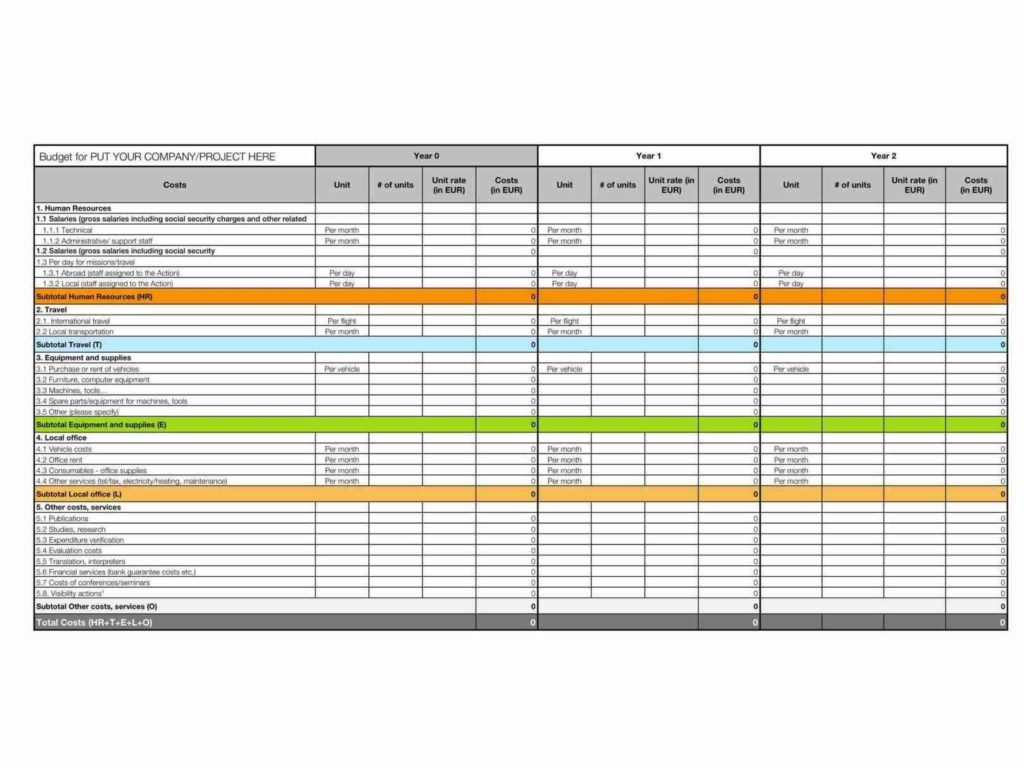 1024×768 budget spreadsheet db excelcom from db-excel.com
  1252×777 annual budget spreadsheet yearly budget spreadsheet from db-excel.com
  800×800 track money budget spreadsheet squawkfox from www.squawkfox.com
  1024×640 excel template budget planning db excelcom from db-excel.com
  1200×578 budget spreadsheets budget style from www.thepennyhoarder.com
  1839×908 detailed budget spreadsheet content budget template great budget from db-excel.com
  1024×1024 budget analysis excel spreadsheet google spreadshee budget analysis from db-excel.com
  640×420 budget spreadsheet windows home budget monthly budget from windows.lisisoft.com
  1140×858 monthly budget spreadsheet digital budget excel budget etsy from www.etsy.com
  794×1166 budget budgeting form spreadsheet built etsy from www.etsy.com
  605×891 budgetcategoryprintablepage penny steward mama from pennystewardmama.com
  715×486 automated budget spreadsheet excel young adult money from www.youngadultmoney.com



Budget By Category System Spreadsheet :
Budget By Category System Spreadsheet was posted in October 25, 2025 at 2:18 am. If you wanna have it as yours, please click the Pictures and you will go to click right mouse then Save Image As and Click Save and download the Budget By Category System Spreadsheet Picture.. Don’t forget to share this picture with others via Facebook, Twitter, Pinterest or other social medias! we do hope you'll get inspired by SampleTemplates123... Thanks again! If you have any DMCA issues on this post, please contact us!
Related For Budget By Category System Spreadsheet

Sample Vacation Travel Budget Templ
Sample Vacation Travel Budget Template Employment Verification Letter TemplateHRSingle Parent Budget Worksheet PDF
“`html Single Parent Budget Worksheet PDF: Your Guide to
Personal Monthly Budget Template fo
Personal Monthly Budget Template for Mac Upper Class Resume