Roadmap Planning Agenda Template
“`html
Roadmap Planning Agenda Template: A Guide to Strategic Alignment
A well-structured roadmap planning agenda is crucial for charting a course toward product success. It ensures everyone involved is aligned, focused, and contributing effectively. This template outlines a comprehensive agenda, designed to facilitate collaborative roadmap creation and execution.
I. Preparation (Prior to Meeting)
Before diving into the agenda, several preparatory steps are essential. These lay the groundwork for a productive and informed discussion.
- Define Objectives & Scope: Clearly articulate the goals of the roadmap planning session. What are you hoping to achieve? Examples include defining the next quarter’s features, outlining a year-long product strategy, or addressing competitive pressures. The scope defines the boundaries of the roadmap – which products, features, or areas are under consideration. Without this, discussions can become unfocused and time-consuming.
- Gather Data & Insights: Compile relevant data from various sources. This includes:
- Customer Feedback: Analyze customer surveys, support tickets, user interviews, and online reviews. Identify pain points, desired features, and areas for improvement.
- Market Research: Understand current market trends, competitor activities, and emerging technologies. Identify opportunities and potential threats.
- Business Goals: Review company objectives, revenue targets, and strategic initiatives. Ensure the roadmap aligns with these overall goals.
- Technical Feasibility: Assess the technical viability of proposed features. Consider resource constraints, development timelines, and potential risks.
- Analytics: Review product usage data, conversion rates, and other key metrics. Identify areas where the product is performing well and areas that need improvement.
Share this data with attendees in advance of the meeting.
- Pre-Read Materials: Prepare and distribute essential documents to participants beforehand. This could include:
- Executive Summary: A brief overview of the meeting’s purpose, objectives, and expected outcomes.
- Market Analysis: A summary of the market landscape and competitive analysis.
- Customer Personas: Profiles of target users and their needs.
- Technical Assessment: An evaluation of the technical feasibility of proposed features.
- Prior Roadmap (if applicable): A reference point for tracking progress and identifying areas for adjustment.
This allows participants to come prepared and contribute meaningfully to the discussion.
- Identify Key Participants: Invite representatives from relevant departments, including product management, engineering, marketing, sales, and customer support. Ensure a diverse range of perspectives are represented. Clearly define roles and responsibilities for each participant.
- Distribute Agenda: Share the detailed agenda with all participants well in advance of the meeting. This allows them to prepare their contributions and allocate their time accordingly.
II. Agenda Items
This section outlines the core components of the roadmap planning agenda.
- Welcome & Introductions (5-10 minutes): Begin with a brief welcome and introductions. Reiterate the purpose of the meeting and the expected outcomes. Set the tone for a collaborative and productive discussion.
- Review of Objectives & Scope (10-15 minutes): Review the pre-defined objectives and scope to ensure everyone is on the same page. Address any questions or clarifications regarding the meeting’s goals.
- Data Review & Discussion (30-60 minutes): Present and discuss the data gathered during the preparation phase. This includes customer feedback, market research, business goals, and technical feasibility assessments. Encourage active participation and critical analysis of the data.
- Customer Pain Points & Opportunities: Discuss customer feedback and identify key areas for improvement.
- Market Trends & Competitive Analysis: Analyze market trends and competitor activities to identify opportunities and threats.
- Alignment with Business Goals: Ensure the roadmap aligns with overall company objectives and strategic initiatives.
- Technical Constraints & Feasibility: Discuss technical challenges and assess the feasibility of proposed features.
- Brainstorming & Prioritization (60-90 minutes): Generate potential roadmap items based on the data and insights discussed. Encourage creative thinking and explore a wide range of possibilities. Use brainstorming techniques like “Round Robin” or “Nominal Group Technique” to ensure everyone has an opportunity to contribute.
- Idea Generation: Generate a list of potential features, improvements, and initiatives.
- Impact/Effort Matrix: Plot each potential item on an impact/effort matrix to visualize its potential value and resource requirements.
- Prioritization Framework: Use a prioritization framework, such as RICE (Reach, Impact, Confidence, Effort) or MoSCoW (Must have, Should have, Could have, Won’t have), to rank the potential roadmap items.
- Roadmap Creation & Visualization (30-60 minutes): Develop a visual representation of the roadmap, outlining the prioritized items and their estimated timelines. Use a roadmap tool or template to create a clear and concise visual. Consider different roadmap formats, such as timeline-based roadmaps, swimlane roadmaps, or kanban-style roadmaps.
- Timeline Definition: Establish realistic timelines for each roadmap item, considering resource constraints and dependencies.
- Dependency Mapping: Identify dependencies between roadmap items and ensure they are addressed in the timeline.
- Visual Representation: Create a visually appealing and easy-to-understand roadmap that communicates the product strategy effectively.
- Review & Refinement (15-30 minutes): Review the roadmap with the participants, ensuring it aligns with the objectives, data, and priorities discussed. Gather feedback and refine the roadmap based on the input received.
- Action Items & Next Steps (10-15 minutes): Assign action items to specific individuals, outlining tasks that need to be completed after the meeting. Define clear deadlines and responsibilities. Schedule follow-up meetings to track progress and address any issues.
- Wrap-up & Feedback (5 minutes): Summarize the key outcomes of the meeting and thank participants for their contributions. Solicit feedback on the meeting’s effectiveness and identify areas for improvement in future roadmap planning sessions.
III. Post-Meeting Activities
The roadmap planning process doesn’t end with the meeting. Follow-up activities are crucial for ensuring the roadmap is effectively implemented.
- Document & Distribute Roadmap: Finalize the roadmap document and distribute it to all stakeholders. Ensure it is easily accessible and regularly updated.
- Communicate Roadmap: Communicate the roadmap to the broader organization, explaining the product strategy and planned initiatives. Encourage feedback and address any concerns.
- Track Progress & Adjust: Regularly track progress against the roadmap and make adjustments as needed. Monitor key metrics and gather feedback to ensure the roadmap remains aligned with business goals and customer needs.
- Regular Roadmap Reviews: Schedule regular roadmap review meetings to assess progress, address challenges, and adapt to changing market conditions.
By following this roadmap planning agenda template, you can foster collaboration, align teams, and create a clear path toward product success. Remember to adapt the template to your specific needs and context for optimal results.
“`
 1677×851 roadmap template business mentor from westernmotodrags.com
  1200×800 roadmap template slidequest from theslidequest.com
 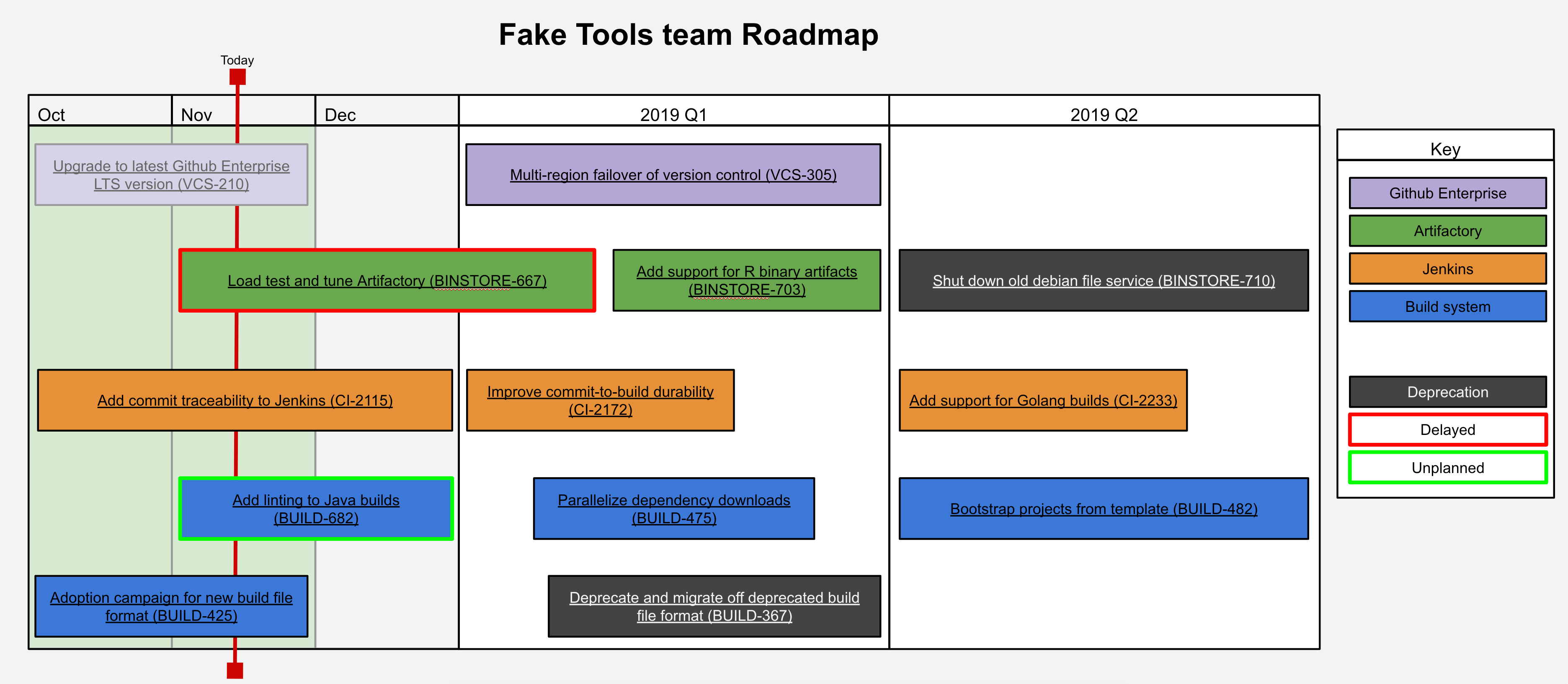 3744×1634 sample roadmap template document template from noellawee.blogspot.com
  1498×828 product roadmap templates productplan from www.productplan.com
  2696×1560 roadmap template from www.productplan.com
  1280×720 goal setting roadmap powerpoint templates from www.powerslides.com


Roadmap Planning Agenda Template :
Roadmap Planning Agenda Template was posted in August 7, 2025 at 3:40 am. If you wanna have it as yours, please click the Pictures and you will go to click right mouse then Save Image As and Click Save and download the Roadmap Planning Agenda Template Picture.. Don’t forget to share this picture with others via Facebook, Twitter, Pinterest or other social medias! we do hope you'll get inspired by SampleTemplates123... Thanks again! If you have any DMCA issues on this post, please contact us!