Visual Project Agenda Sample
Visual Project Agenda: A Sample for Enhanced Collaboration
A visual project agenda transforms the typical linear, text-heavy document into a dynamic, engaging roadmap. This shift in presentation significantly improves comprehension, encourages participation, and ultimately contributes to more productive and successful project meetings. This sample explores the key elements of a visual project agenda, demonstrating its advantages and providing a template for creating your own.
The Problem with Traditional Agendas
Traditional agendas, often presented as bulleted lists or numbered items, can be dry and uninspiring. They often lack context, making it difficult for participants to grasp the overall flow of the meeting or understand the relative importance of each topic. Key problems include:
- Lack of Visual Hierarchy: All items appear equally important, obscuring priorities.
- Limited Context: Brief descriptions may not adequately explain the topic’s relevance to the project.
- Passive Engagement: Traditional agendas encourage passive reading rather than active participation.
- Information Overload: Long lists of text can be overwhelming and lead to disengagement.
- Difficulty Tracking Progress: It’s hard to visually track progress during the meeting.
The Visual Project Agenda: A Solution
A visual agenda utilizes visual cues such as color, icons, shapes, and timelines to create a more engaging and informative document. It presents information in a digestible format, fostering better understanding and collaboration. This sample highlights the key components of an effective visual project agenda.
Sample Visual Project Agenda: Project Phoenix Kick-off Meeting
This example illustrates a visual agenda for the kick-off meeting of “Project Phoenix,” a software development initiative.
Overall Layout
The agenda is structured as a timeline or roadmap, flowing from left to right or top to bottom. Each segment represents a different section of the meeting. Color coding and icons are used consistently throughout.
Key Components of the Visual Agenda
- Meeting Title & Purpose: Clearly stated at the top with a corresponding icon (e.g., a rocket taking off). The purpose should be concise: “Project Phoenix Kick-off: Define Scope & Team Roles.”
- Date, Time & Location: Prominently displayed for easy reference. A calendar icon can be used.
- Attendees: A list of attendees with optional profile pictures or avatars to personalize the agenda. Roles can also be listed (e.g., Project Manager, Lead Developer, Stakeholder).
- Agenda Items: Each agenda item is represented by a visually distinct section, possibly with a background color or border.
- Welcome & Introductions (10 minutes): A welcoming image or icon (e.g., handshake). A brief description: “Team intros & icebreaker.”
- Visual Cue: A photo of the team or a relevant stock image.
- Facilitator: Name of the person leading the introductions.
- Project Overview (20 minutes): A graphic illustrating the project’s goals and objectives. A brief description: “Review project scope, goals, and key deliverables.”
- Visual Cue: A simplified diagram of the software architecture or a Gantt chart overview.
- Facilitator: Project Manager.
- Key Questions: Highlighted with question mark icons to stimulate discussion: “Are the goals clearly defined? Do we agree on the deliverables?”
- Roles & Responsibilities (30 minutes): A chart or diagram outlining team roles and responsibilities. A brief description: “Define roles, responsibilities, and communication channels.”
- Visual Cue: A RACI matrix (Responsible, Accountable, Consulted, Informed) displayed visually.
- Facilitator: Project Manager.
- Key Questions: “Are roles and responsibilities clearly assigned? Are there any overlaps or gaps?”
- Initial Timeline & Milestones (20 minutes): A simplified timeline highlighting key milestones. A brief description: “Review the initial project timeline and key milestones.”
- Visual Cue: A simple timeline graphic with milestone markers.
- Facilitator: Project Manager & Lead Developer.
- Key Questions: “Is the timeline realistic? Are the milestones achievable?”
- Communication Plan (10 minutes): Icons representing different communication channels (e.g., Slack, email, project management software). A brief description: “Establish communication protocols and reporting procedures.”
- Visual Cue: Icons representing Slack, Email, Jira or similar.
- Facilitator: Communications Manager (or Project Manager if no dedicated role).
- Next Steps & Action Items (10 minutes): A bulleted list of action items assigned to specific individuals with deadlines. A brief description: “Assign action items and schedule the next meeting.”
- Visual Cue: Checkboxes for each action item.
- Facilitator: Project Manager.
- Time Allotment: Clearly indicate the time allocated to each agenda item. This helps maintain focus and ensures the meeting stays on track.
- Facilitator/Presenter: Identify the individual responsible for leading each section.
- Key Questions: Include a few thought-provoking questions for each agenda item to encourage active participation and discussion. These can be visually highlighted with question mark icons.
- Action Items: Use checkboxes or a visual list to track action items assigned during the meeting.
Benefits of Using a Visual Project Agenda
- Improved Comprehension: Visual cues enhance understanding and retention.
- Increased Engagement: The dynamic format encourages active participation.
- Enhanced Collaboration: Clear communication fosters better teamwork.
- Better Time Management: Visual time allocations keep the meeting on track.
- Improved Focus: Clear priorities prevent distractions and tangents.
- Streamlined Communication: Visuals eliminate ambiguity and ensure everyone is on the same page.
Tools and Techniques for Creating Visual Agendas
Several tools and techniques can be used to create visual project agendas:
- Mind Mapping Software: Tools like MindManager or XMind allow you to visually organize agenda items and their relationships.
- Presentation Software: PowerPoint or Google Slides can be used to create visually appealing slides for each agenda item.
- Graphic Design Software: Adobe Illustrator or Canva offer more advanced design options for creating custom visuals.
- Project Management Software: Some project management tools offer built-in features for creating visual agendas and tracking progress.
- Hand-Drawn Agendas: For smaller teams, a whiteboard or large sheet of paper can be used to create a collaborative, hand-drawn visual agenda.
Regardless of the tools used, the key is to prioritize clarity, visual appeal, and relevance to the project’s goals.
Conclusion
By adopting a visual project agenda, teams can transform mundane meetings into productive and collaborative sessions. This sample demonstrates how visual cues, a clear structure, and a focus on engagement can significantly improve communication, comprehension, and overall project success. Embrace the power of visuals and create agendas that inspire participation and drive results.
 568×630 aha graphic facilitation day visual agenda from blog.ahagraphic.com
  600×730 project agenda samples templates ms word from www.sampletemplates.com
  474×575 knowledge seekers blog sample project meeting agenda from timkienthuc.blogspot.com
  600×730 agenda samples ms word from www.sampletemplates.com
  600×730 agenda templates printable word excel formats from www.sampleformats.org
  600×730 project agenda examples from www.examples.com
  800×1150 visiting visual meeting agenda template layouts visual meeting from legaldbol.com
  1275×1650 creative visual meeting agenda template psd file visual meeting from legaldbol.com
  2330×1684 adding visual meeting agenda template formating visual meeting from legaldbol.com
  550×412 making visual agenda powerpoint blog creative ideas from blog.infodiagram.com
  620×401 customize visual meeting agenda template psd file from legaldbol.com
  2857×1629 project meeting agenda template collection from lesboucans.com
  1449×2048 sample template project management meeting agenda template manager from idtcenter.org
 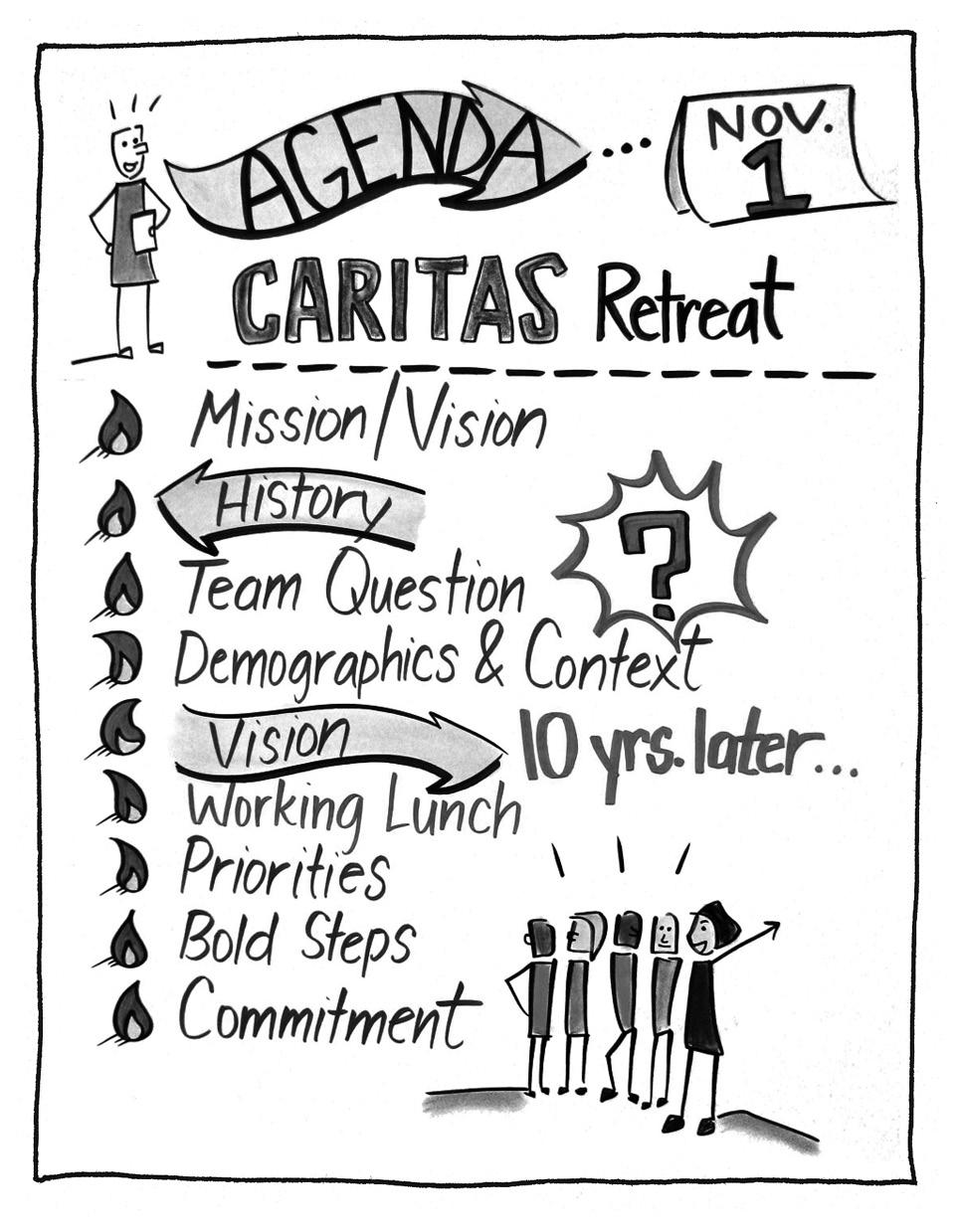 965×1239 visual agenda gamestorming from gamestorming.com



Visual Project Agenda Sample :
Visual Project Agenda Sample was posted in June 21, 2025 at 3:07 am. If you wanna have it as yours, please click the Pictures and you will go to click right mouse then Save Image As and Click Save and download the Visual Project Agenda Sample Picture.. Don’t forget to share this picture with others via Facebook, Twitter, Pinterest or other social medias! we do hope you'll get inspired by SampleTemplates123... Thanks again! If you have any DMCA issues on this post, please contact us!