Debt Management Meeting Agenda
Debt Management Meeting Agenda: A Comprehensive Guide
A debt management meeting is a crucial forum for individuals, families, or organizations facing financial challenges. A well-structured agenda ensures the meeting is productive, focused, and results in actionable steps towards debt reduction and financial stability. This guide provides a detailed breakdown of a comprehensive debt management meeting agenda.
I. Opening and Introductions (5-10 minutes)
- Welcome and Meeting Objectives: Begin by welcoming all attendees and clearly stating the purpose of the meeting. This could involve phrases like, “Welcome everyone, today’s meeting focuses on developing a comprehensive debt management strategy to achieve financial stability.” Briefly reiterate the desired outcomes, such as creating a debt repayment plan, exploring debt consolidation options, or identifying areas for spending reduction.
- Attendee Introductions: Allow each participant to briefly introduce themselves and their role in the debt management process. This is especially important if the meeting includes external stakeholders like financial advisors, debt counselors, or family members providing support. Name, relationship to the situation, and any specific area of expertise they bring to the table are all good introductions.
- Review of Previous Action Items (If Applicable): If this is a follow-up meeting, begin by reviewing any action items assigned from the previous session. Discuss the status of each item, highlighting successes and addressing any roadblocks encountered. This ensures accountability and maintains momentum.
II. Current Financial Situation Assessment (20-30 minutes)
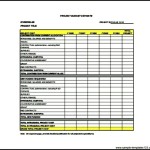
- Income Review: Present a clear overview of all sources of income. This should include salary, wages, investment income, and any other regular income streams. Provide documentation, such as pay stubs or bank statements, to support the figures presented. Analyze the stability and predictability of each income source.
- Expense Review: Conduct a thorough review of all expenses, categorized by type (e.g., housing, transportation, food, utilities, debt payments, entertainment). Use budgeting tools, bank statements, and credit card statements to ensure accuracy. Identify essential expenses versus discretionary spending.
- Debt Overview: Present a detailed inventory of all outstanding debts. This should include:
- Creditor Name: The name of the entity to whom the debt is owed.
- Account Number: The specific account number for the debt.
- Outstanding Balance: The current amount owed on the debt.
- Interest Rate: The interest rate being charged on the debt.
- Minimum Payment: The minimum payment required each month.
- Type of Debt: (e.g., credit card, student loan, mortgage, personal loan).
- Net Cash Flow Analysis: Calculate the difference between income and expenses to determine the net cash flow (surplus or deficit). This provides a clear picture of the available funds for debt repayment or the extent of the financial shortfall.
III. Debt Management Options (30-45 minutes)
- Debt Snowball vs. Debt Avalanche: Explain the different strategies for prioritizing debt repayment. The debt snowball method focuses on paying off the smallest debts first, providing psychological wins and motivation. The debt avalanche method prioritizes debts with the highest interest rates, minimizing the overall interest paid. Discuss the pros and cons of each approach and determine the most suitable strategy based on individual circumstances and preferences.
- Debt Consolidation: Explore the possibility of consolidating debts into a single loan with a lower interest rate. This could involve balance transfers on credit cards, personal loans, or home equity loans. Assess the eligibility requirements, fees, and potential impact on credit score.
- Debt Management Plan (DMP): Discuss the option of enrolling in a DMP through a reputable credit counseling agency. Explain how a DMP works, including negotiated lower interest rates and a structured repayment plan. Evaluate the fees associated with a DMP and the potential impact on credit score.
- Negotiation with Creditors: Explore the possibility of negotiating directly with creditors for lower interest rates, reduced balances, or more favorable repayment terms. Prepare a script and supporting documentation to present to creditors. Understand the potential impact on credit score and tax implications.
- Budgeting and Spending Reduction: Identify areas where spending can be reduced to free up more funds for debt repayment. This could involve cutting back on discretionary expenses, finding cheaper alternatives for essential expenses, or generating additional income through side hustles.
- Bankruptcy (If Necessary): While typically a last resort, briefly address the option of bankruptcy if the debt burden is overwhelming and other options are not feasible. Explain the different types of bankruptcy and the potential consequences for credit score and assets. Advise seeking professional legal advice.
IV. Action Plan Development (15-20 minutes)
- Prioritized Debt Repayment Strategy: Based on the chosen debt repayment method (snowball or avalanche), create a prioritized list of debts to be repaid. Set realistic repayment goals and timelines for each debt.
- Budget Adjustment and Spending Control Measures: Develop a detailed budget outlining income and expenses, incorporating the necessary adjustments to reduce spending and increase debt repayment contributions. Implement spending tracking tools and strategies to ensure adherence to the budget.
- Contacting Creditors and Exploring Consolidation Options: Assign responsibility for contacting creditors to negotiate terms or explore debt consolidation options. Set deadlines for completing these tasks and tracking progress.
- Seeking Professional Assistance (If Needed): Determine if professional assistance from a financial advisor, debt counselor, or legal professional is needed. Schedule appointments and gather necessary documentation.
V. Next Steps and Follow-Up (5-10 minutes)
- Assign Action Items: Clearly assign specific action items to each participant, including deadlines for completion. Ensure everyone understands their responsibilities and has the resources needed to succeed.
- Schedule Follow-Up Meeting: Schedule a follow-up meeting to review progress, address any challenges, and make adjustments to the debt management plan as needed. Set a date, time, and agenda for the next meeting.
- Documentation and Record Keeping: Emphasize the importance of documenting all decisions, action items, and communication with creditors. Maintain accurate records of debt balances, payments, and interest rates.
- Concluding Remarks and Encouragement: Offer concluding remarks, reinforcing the commitment to debt management and providing encouragement to stay on track. Acknowledge the challenges involved but emphasize the potential for achieving financial freedom.
 700×724 management meeting agenda template word excel from www.docformats.com
  1583×2048 finance meeting agenda template sample word eforms from eforms.com
  940×788 debt management strategies southern cross postgraduate association scpa from scpa.net.au
  720×540 debt management conference from uaeahead.com
  960×540 debt management powerpoint google template from www.collidu.com
  550×500 committee governmental debt management debt from www.gfoa.org
  800×850 financial management meeting agenda template from www.bizmanualz.com
  1187×1536 financial meeting agenda template thevanitydiaries from thevanitydiaries.com
  768×492 debt management debt program designed from www.greenpath.com
  600×650 financial meeting agenda template from www.pinterest.com
  1790×1018 monthly finance meeting agenda guide ecombalance from ecombalance.com
  607×735 financial management meeting agenda template word from www.bizmanualz.com
  822×638 financial meeting agenda template word templates from www.wordtemplates.org
  2048×1365 monthly finance meeting agenda review books month from ecombalance.com
  1728×2304 debt debt management plan from www.consumercredit.com
  600×344 debt management program mccarthy law plc from www.mccarthylawyer.com
  763×1024 finance administration committee meeting agenda max from maxtransit.org
  1545×2000 debt management workshop newcomer womens services from www.newcomerwomen.org
  816×1056 meeting finance agenda template from www.bizzlibrary.com
  1500×1245 debt management plan image photo trial bigstock from www.bigstockphoto.com
  960×720 agenda debt financing debt financing investment pitch from www.slideteam.net
  1160×628 ultimate guide creating debt management plan scratch from www.financialfreedomaustralia.com.au
  960×720 corporate management debt management from www.slideteam.net
  720×540 debt management powerpoint template powerpoint from www.pinterest.jp
  2112×2993 debt management plan ways manage debt mnscredit issuu from issuu.com
  960×720 debt management administration management brochure from www.slideteam.net
  580×870 debt management planning debt reduction from www.prescientaccounting.com
  1600×1558 debt settlement negotiation tax debt relief services from debtsettleexperts.com


Debt Management Meeting Agenda :
Debt Management Meeting Agenda was posted in August 14, 2025 at 10:33 pm. If you wanna have it as yours, please click the Pictures and you will go to click right mouse then Save Image As and Click Save and download the Debt Management Meeting Agenda Picture.. Don’t forget to share this picture with others via Facebook, Twitter, Pinterest or other social medias! we do hope you'll get inspired by SampleTemplates123... Thanks again! If you have any DMCA issues on this post, please contact us!
Related For Debt Management Meeting Agenda
Marketing Team Agenda Template
Marketing teams need a well-defined agenda to ensure productiveLesson Plan Agenda Format
Here’s an explanation of a lesson plan agenda format,
Top Free Meeting Agenda Templates f
Discover top free meeting agenda templates designed to enhance