Dark Mode Agenda PDF
The Unfolding Agenda of Dark Mode PDFs
Dark mode, once a niche preference, has rapidly transitioned into a ubiquitous feature across operating systems, applications, and websites. This widespread adoption isn’t merely a fleeting trend; it’s a reflection of evolving user expectations, driven by factors ranging from perceived health benefits to aesthetic appeal. Consequently, the traditionally white-background-centric world of PDF documents is undergoing a transformation, with dark mode support becoming an increasingly crucial consideration. This shift presents both opportunities and challenges for document creators, software developers, and end-users.
The Rise of Dark Mode and Its Impact on PDFs
The initial impetus behind dark mode was largely attributed to its purported ability to reduce eye strain, particularly in low-light environments. While the scientific evidence supporting this claim remains somewhat inconclusive, the perception of reduced eye fatigue has been a significant driver for its adoption. Beyond perceived health benefits, dark mode has also gained popularity due to its sleek and modern aesthetic, resonating with users who appreciate a minimalist and visually appealing interface.
The proliferation of dark mode across various platforms has created a demand for consistent experiences. Users expect their content, including PDFs, to adapt to their preferred color scheme seamlessly. This expectation has placed pressure on PDF software developers to implement robust dark mode support, allowing PDFs to render with inverted colors or custom dark themes.
Challenges in Implementing Dark Mode for PDFs
Implementing dark mode for PDFs is not as straightforward as simply inverting the colors. The inherent complexities of the PDF format, which includes text, images, vector graphics, and embedded objects, necessitate a more nuanced approach. Several challenges arise in this process:
- Color Consistency: Inverting colors can lead to unintended consequences, particularly with logos and images that rely on specific color palettes. Simply inverting these elements can render them unrecognizable or visually unappealing. Developers need to implement sophisticated algorithms that intelligently adjust colors to maintain visual integrity while adapting to dark mode.
- Text Legibility: Ensuring text remains legible in dark mode is paramount. Inverting black text on a white background to white text on a black background is generally effective, but issues can arise with colored text or text overlaid on images. Contrast ratios need to be carefully managed to ensure readability.
- Annotations and Markups: PDFs often contain annotations, highlights, and other markups. Adapting these elements to dark mode requires careful consideration. Inverting the colors of these annotations might make them blend into the background, rendering them useless. Developers need to implement mechanisms to adjust the colors of annotations while maintaining their visibility and purpose.
- Image Handling: Images present a unique challenge. Some images may look acceptable when inverted, while others may appear distorted or unnatural. Developers may need to provide options for users to choose whether to invert images or preserve their original colors.
- PDF Complexity: The PDF format is notoriously complex, with various versions and features. Ensuring compatibility across different PDF versions and handling all possible scenarios requires extensive testing and development efforts.
Strategies for Adapting PDFs to Dark Mode
To address these challenges, developers are employing various strategies to implement dark mode support for PDFs effectively:
- Color Inversion with Smart Adjustments: Implementing algorithms that intelligently analyze colors and adjust them appropriately for dark mode. This might involve inverting colors selectively, adjusting brightness and contrast, or using pre-defined color palettes optimized for dark mode.
- User-Configurable Settings: Providing users with granular control over dark mode settings, allowing them to customize how different elements of the PDF are rendered. This might include options to invert colors, adjust brightness, control image inversion, and customize annotation colors.
- CSS-like Styling: Implementing a styling system that allows document creators to define dark mode-specific styles for their PDFs. This would enable them to control the appearance of text, images, and other elements in dark mode without affecting the original document.
- Pre-rendering for Dark Mode: Allowing document creators to generate separate versions of their PDFs specifically optimized for dark mode. This would provide the greatest level of control over the final appearance, but it would also require more effort to maintain multiple versions of the same document.
The Future of Dark Mode PDFs
The demand for dark mode PDFs is only expected to grow as dark mode becomes even more prevalent across devices and applications. The future of dark mode PDFs likely involves a combination of automated algorithms, user-configurable settings, and styling systems that provide document creators with greater control over the appearance of their documents in dark mode. Furthermore, as screen technology evolves, with the rise of OLED displays and other technologies that offer improved contrast ratios and color accuracy, the importance of dark mode and its impact on PDF readability will only increase.
We can also anticipate the emergence of new PDF standards and features that specifically cater to dark mode, making it easier for developers and document creators to implement and manage dark mode support. The adoption of semantic tagging within PDFs could also facilitate more intelligent adaptation to dark mode, allowing software to understand the meaning and purpose of different elements within the document and adjust their appearance accordingly.
Ultimately, the goal is to create a seamless and consistent dark mode experience for PDF users, regardless of the device or application they are using. This requires ongoing collaboration between PDF software developers, document creators, and standards organizations to ensure that dark mode PDFs are accessible, readable, and visually appealing.
The agenda for dark mode PDFs is clear: embrace the change, address the challenges, and prioritize the user experience. By doing so, we can unlock the full potential of dark mode and make PDFs more comfortable and enjoyable to read for everyone.
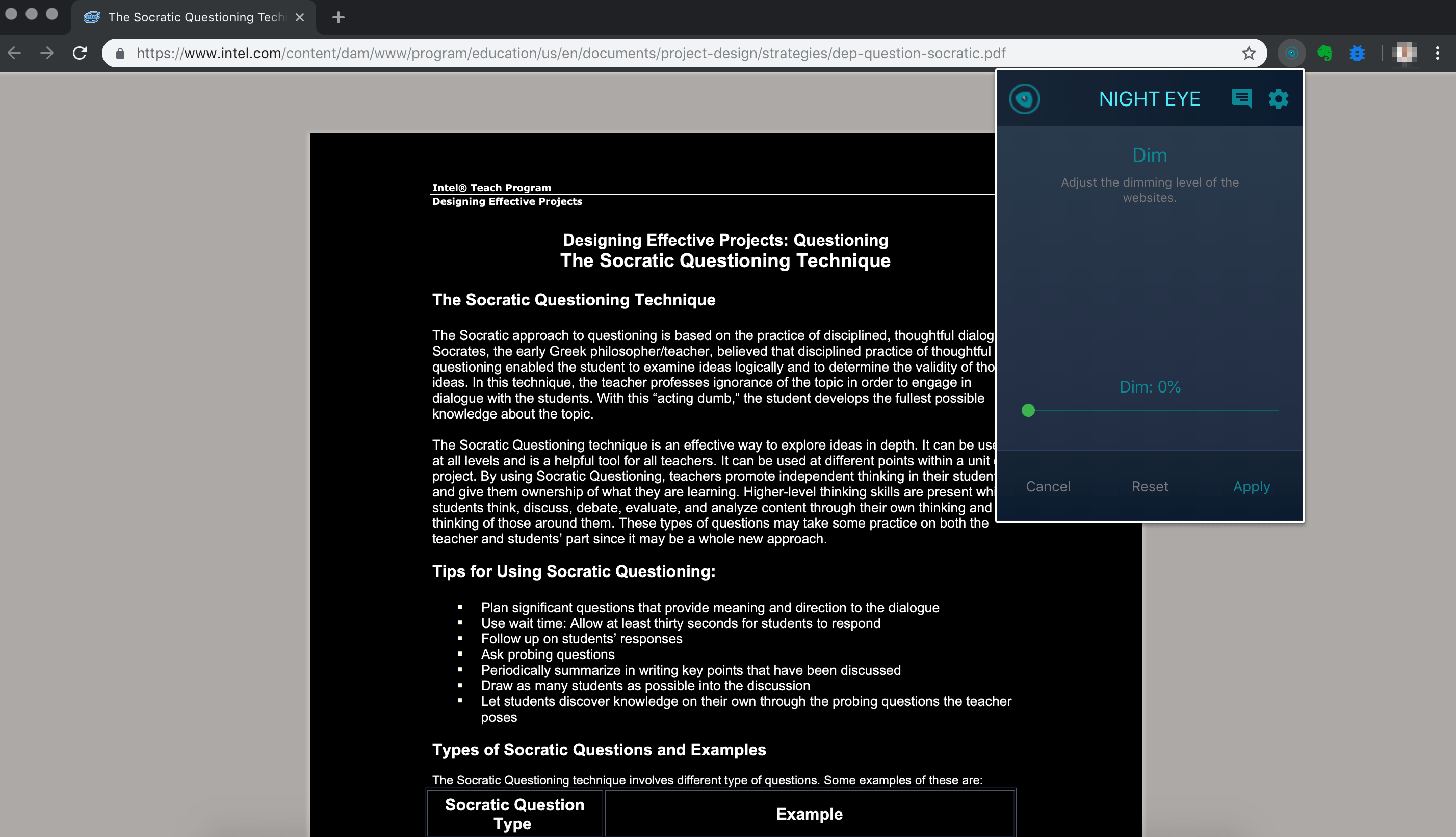 2856×1642 dark mode read dark theme from nighteye.app
  1600×1200 dark mode jon rundle envoy dribbble from dribbble.com
 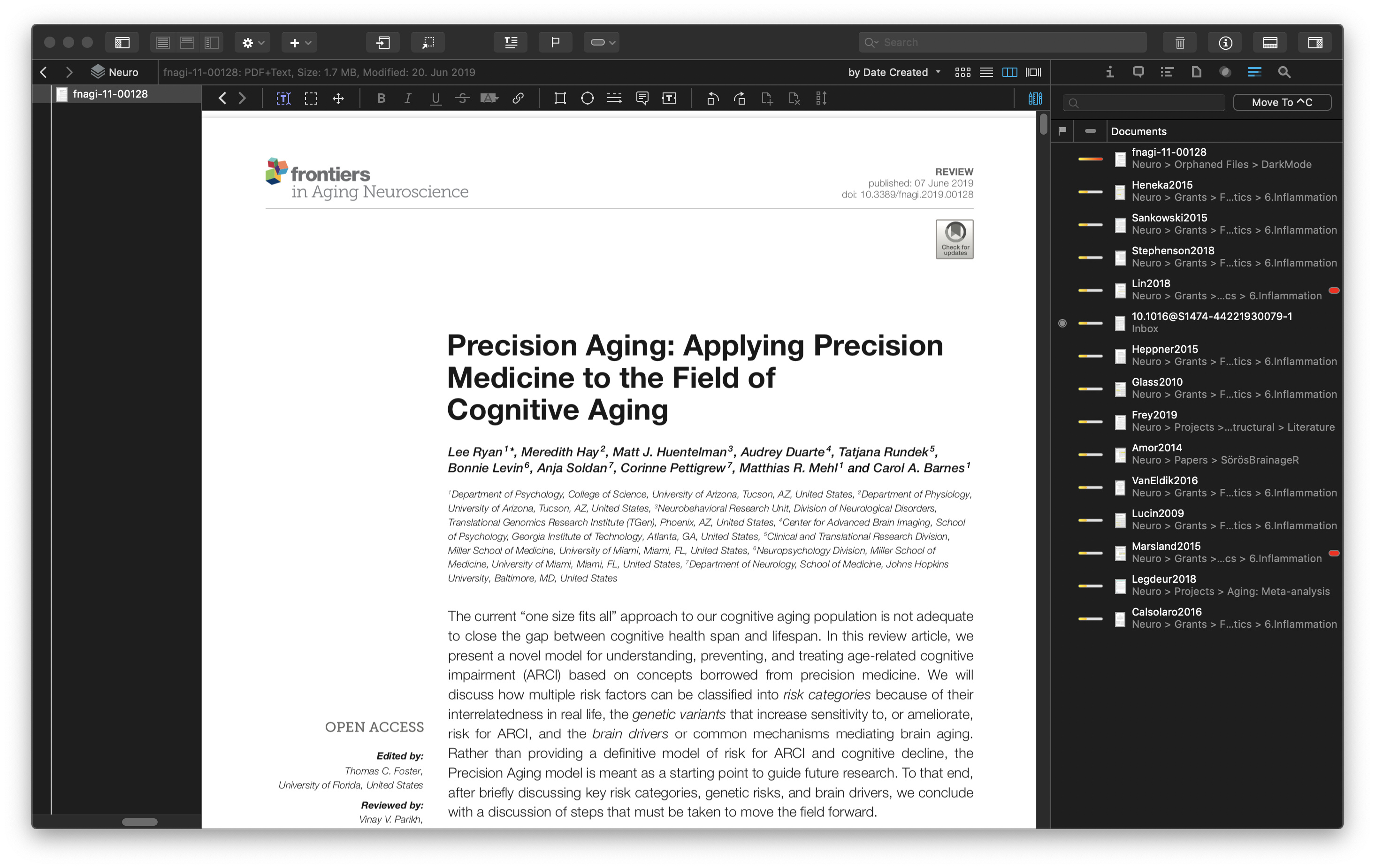 2930×1850 change background dark mode devonthink devontechnologies from discourse.devontechnologies.com
 .png) 1600×900 dark theme dark mode viewing share feedback from acrobat.uservoice.com
1600×900 dark theme dark mode viewing share feedback from acrobat.uservoice.com 



Dark Mode Agenda PDF :
Dark Mode Agenda PDF was posted in June 3, 2025 at 11:49 pm. If you wanna have it as yours, please click the Pictures and you will go to click right mouse then Save Image As and Click Save and download the Dark Mode Agenda PDF Picture.. Don’t forget to share this picture with others via Facebook, Twitter, Pinterest or other social medias! we do hope you'll get inspired by SampleTemplates123... Thanks again! If you have any DMCA issues on this post, please contact us!