Stock Investment Plan Template
Stock Investment Plan Template: A Comprehensive Guide
Investing in the stock market can be a rewarding way to grow your wealth, but it also comes with risks. A well-structured stock investment plan is crucial for navigating the market successfully and achieving your financial goals. This template outlines the key components of such a plan, providing a framework for making informed investment decisions.
1. Defining Your Investment Goals
The foundation of any sound investment plan is a clear understanding of your objectives. Ask yourself:
- What do I want to achieve with my investments? (e.g., retirement savings, down payment on a house, children’s education, early retirement, income generation)
- What is my time horizon? (How long do I have to reach my goals? This will influence your risk tolerance.)
- How much capital do I have available to invest? (This includes initial investment and ongoing contributions.)
Be specific and quantify your goals whenever possible. For example, instead of “saving for retirement,” aim for “accumulating $1 million by age 65.”
2. Assessing Your Risk Tolerance
Risk tolerance is your ability and willingness to withstand potential losses in your investment portfolio. Consider:
- Your age and financial situation: Younger investors with a longer time horizon can generally tolerate more risk.
- Your comfort level with market volatility: How would you react to a significant market downturn? Would you panic and sell, or would you stay the course?
- Your investment knowledge: Do you understand the risks and rewards associated with different types of investments?
You can use online risk tolerance questionnaires or consult with a financial advisor to help determine your risk profile (e.g., conservative, moderate, aggressive). A conservative investor might prioritize capital preservation, while an aggressive investor might be willing to take on more risk for potentially higher returns.
3. Asset Allocation Strategy
Asset allocation is the process of dividing your investment portfolio among different asset classes, such as stocks, bonds, and cash. The optimal allocation depends on your investment goals, risk tolerance, and time horizon. For example:
- Stocks: Offer higher potential returns but also carry higher risk. Suitable for long-term goals.
- Bonds: Provide more stability and income than stocks but offer lower potential returns. Suitable for shorter-term goals or risk-averse investors.
- Cash: Offers the most stability but provides little to no return. Suitable for short-term needs or emergency funds.
Consider diversifying your stock investments across different sectors, industries, and geographic regions to reduce risk. For example, instead of investing solely in technology stocks, consider adding exposure to healthcare, consumer staples, and international markets.
4. Investment Selection
Once you have determined your asset allocation, you need to select specific investments. You can choose individual stocks, mutual funds, exchange-traded funds (ETFs), or a combination thereof.
- Individual Stocks: Requires research and analysis to identify undervalued companies with strong growth potential. Risky but potentially rewarding.
- Mutual Funds: Professionally managed portfolios of stocks, bonds, or other assets. Offer diversification and convenience.
- ETFs: Similar to mutual funds but trade on stock exchanges like individual stocks. Generally have lower expense ratios than mutual funds.
When selecting individual stocks, consider factors such as the company’s financial performance, competitive position, management team, and industry outlook. For mutual funds and ETFs, evaluate factors such as expense ratio, historical performance, investment strategy, and fund manager experience.
5. Diversification and Rebalancing
Diversification is essential for mitigating risk. Don’t put all your eggs in one basket. Spread your investments across different asset classes, sectors, and geographic regions.
Rebalancing is the process of periodically adjusting your portfolio to maintain your desired asset allocation. Over time, some asset classes may outperform others, causing your portfolio to drift away from your target allocation. Rebalancing involves selling some of the overperforming assets and buying more of the underperforming assets to restore your desired balance.
6. Monitoring and Review
Your investment plan should be a living document that you review and update regularly. Monitor the performance of your investments and make adjustments as needed. Consider:
- Tracking your portfolio’s performance: Compare your returns to relevant benchmarks (e.g., S&P 500).
- Re-evaluating your investment goals and risk tolerance: As your life circumstances change, your investment plan may need to be adjusted.
- Making adjustments to your asset allocation: If your risk tolerance changes or if market conditions warrant, consider rebalancing your portfolio.
Regular reviews will help you stay on track toward your financial goals and make informed decisions about your investments.
7. Seeking Professional Advice
If you are unsure about any aspect of your investment plan, consider seeking advice from a qualified financial advisor. A financial advisor can help you assess your financial situation, develop a personalized investment plan, and manage your portfolio. They can also provide guidance on tax-efficient investing strategies and other financial planning matters.
Conclusion
A well-crafted stock investment plan is essential for long-term financial success. By defining your goals, assessing your risk tolerance, developing an asset allocation strategy, selecting appropriate investments, diversifying your portfolio, monitoring your performance, and seeking professional advice when needed, you can increase your chances of achieving your financial aspirations.
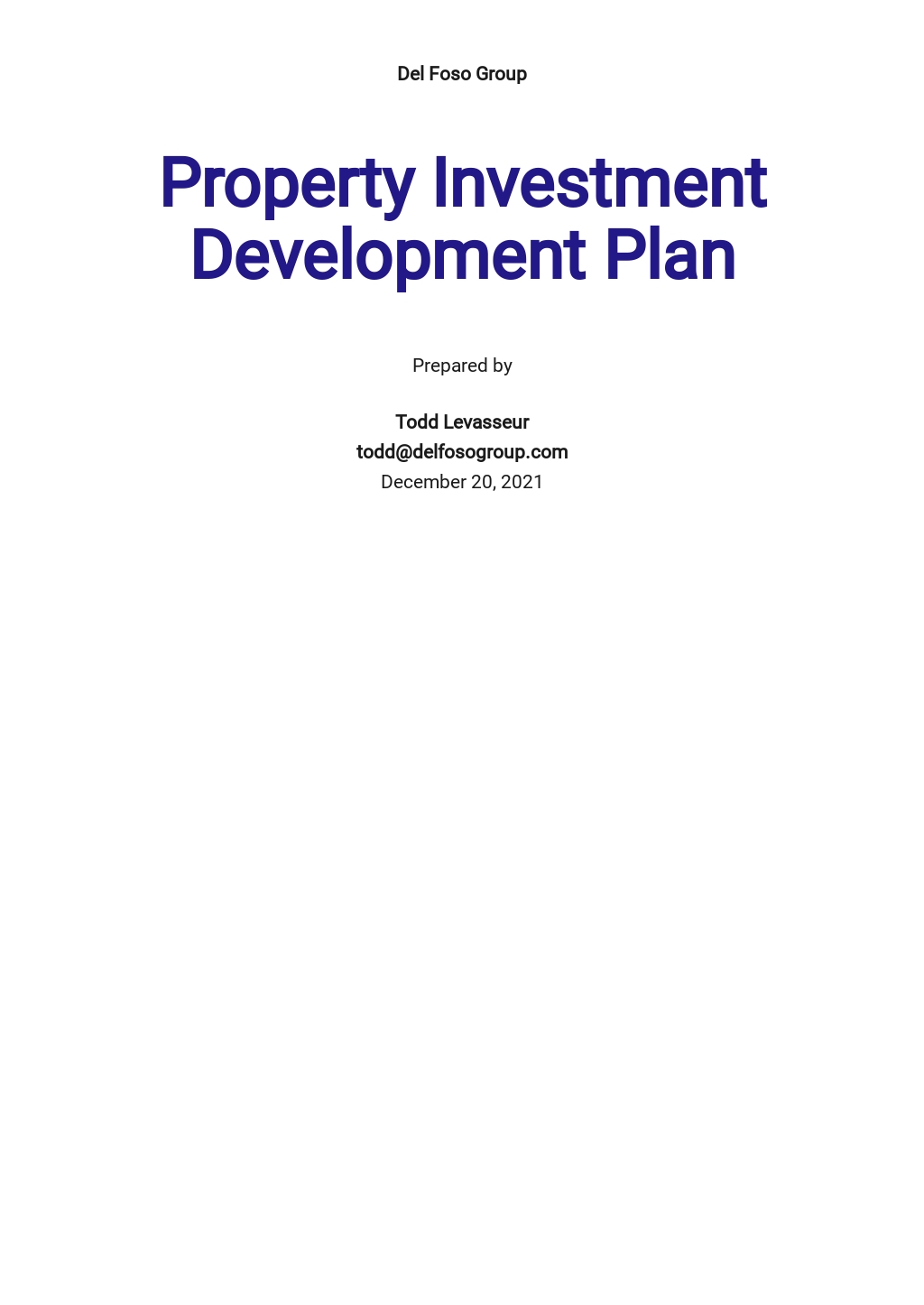 1024×1446 investment plan templates templatenet from www.template.net
  1280×800 personal investment plan template db excelcom from db-excel.com
  899×320 investment templates excel word excel formats from www.wordstemplatespro.com
  474×335 btc investment plan templates allbusinesstemplatescom from www.allbusinesstemplates.com


Stock Investment Plan Template :
Stock Investment Plan Template was posted in September 19, 2025 at 10:43 pm. If you wanna have it as yours, please click the Pictures and you will go to click right mouse then Save Image As and Click Save and download the Stock Investment Plan Template Picture.. Don’t forget to share this picture with others via Facebook, Twitter, Pinterest or other social medias! we do hope you'll get inspired by SampleTemplates123... Thanks again! If you have any DMCA issues on this post, please contact us!