Weekly Team Agenda Template
“`html
Weekly Team Agenda Template: A Roadmap to Productive Meetings
A well-structured weekly team agenda is the cornerstone of effective communication, collaboration, and progress tracking. It transforms meetings from potential time-wasters into valuable opportunities to align on goals, address challenges, and build a stronger team dynamic. This template provides a framework for creating agendas that maximize your team’s meeting time, regardless of size or industry.
Why Use a Weekly Team Agenda Template?
Before diving into the template itself, let’s consider the benefits of using a standardized agenda:
- Improved Focus: A clear agenda keeps the meeting on track, preventing discussions from veering off-topic.
- Enhanced Preparation: Knowing the topics in advance allows team members to prepare relevant information and contribute more effectively.
- Increased Efficiency: By sticking to the agenda, you minimize wasted time and ensure that all critical items are addressed.
- Better Accountability: Action items assigned during the meeting are clearly documented in the agenda, fostering accountability and follow-up.
- Consistent Structure: A consistent agenda format makes it easier for team members to anticipate the flow of the meeting and participate proactively.
- Clear Communication: A well-written agenda facilitates clear communication by setting expectations for the meeting’s purpose and outcomes.
- Data-Driven Decisions: Including relevant data and metrics in the agenda promotes data-driven decision-making.
- Proactive Problem Solving: Identifying potential roadblocks and challenges on the agenda encourages proactive problem-solving.
- Team Alignment: Regular agenda topics like project updates and goal reviews ensure everyone is aligned on priorities and progress.
Template Structure: Essential Components
This template provides a comprehensive structure that can be adapted to suit the specific needs of your team. Each section serves a distinct purpose in ensuring a productive and focused meeting.
1. Meeting Details
- Date & Time: Clearly state the date and time of the meeting.
- Location/Platform: Specify the meeting location (physical or virtual, including the meeting link).
- Attendees: List all expected attendees. Consider designating a facilitator and a note-taker.
- Purpose: State the overarching goal of the meeting. What should the team accomplish during this time? Examples: “Review progress on Q3 goals,” “Brainstorm solutions for customer churn,” “Plan upcoming marketing campaign.”
2. Opening (5-10 Minutes)
- Welcome & Icebreaker (Optional): A brief welcome and a quick icebreaker can help energize the team and foster a positive atmosphere. Examples of icebreakers: a quick round of “one thing you’re working on this week,” or a lighthearted question unrelated to work.
- Review of Previous Action Items: Quickly review action items from the previous meeting to ensure follow-through. Mark items as complete, in progress, or delayed. Note any updates or roadblocks.
3. Key Updates & Progress Review (20-30 Minutes)
- Project Updates: Each team member (or project lead) provides a brief update on their key projects. Focus on progress made, upcoming milestones, and any potential roadblocks. Use a standardized format for updates (e.g., What was accomplished? What are the next steps? What challenges are you facing?).
- Key Performance Indicators (KPIs): Review relevant KPIs to track progress toward goals. Visualize the data whenever possible. Discuss any significant deviations from expected performance and identify potential causes.
- Customer Feedback: Share any recent customer feedback, both positive and negative. Discuss trends and identify areas for improvement. This is particularly crucial for teams that directly interact with customers.
4. Discussion Items (30-45 Minutes)
- Item 1: [Specific Topic]: Clearly state the topic for discussion. Include relevant background information or context to ensure everyone is on the same page. Allocate a specific time limit for each discussion item.
- Item 2: [Specific Topic]: Repeat the above format for each discussion item. Prioritize items based on urgency and impact.
- [Continue as needed]
- Example Discussion Items: Brainstorming solutions for a bug fix, deciding on a new marketing strategy, reviewing and approving a design proposal, discussing resource allocation for a new project.
5. Problem Solving & Decision Making (15-20 Minutes)
- Identify Challenges: Briefly outline any significant challenges or roadblocks that the team is facing.
- Brainstorm Solutions: Facilitate a brainstorming session to generate potential solutions. Encourage open and honest communication.
- Decision Making: Evaluate the proposed solutions and make clear decisions. Document the rationale behind each decision. Use a defined decision-making process (e.g., consensus, majority vote, delegated authority).
6. Action Items & Next Steps (5-10 Minutes)
- Clearly define each action item: What needs to be done? Who is responsible? What is the deadline?
- Assign Ownership: Assign each action item to a specific team member.
- Set Deadlines: Establish realistic deadlines for completing each action item.
- Document Action Items: Record all action items in a central location (e.g., a shared document, project management software, or meeting minutes).
7. Closing (5 Minutes)
- Recap Action Items: Briefly review all action items and ensure everyone understands their responsibilities.
- Confirm Next Meeting Details: Confirm the date, time, and location of the next weekly team meeting.
- Open the Floor for Questions: Allow time for any remaining questions or concerns.
- Thank You & Adjournment: Thank the team for their participation and formally adjourn the meeting.
Tips for Maximizing Agenda Effectiveness
- Distribute the Agenda in Advance: Send the agenda to all attendees at least 24 hours before the meeting to allow them time to prepare.
- Stick to the Time Limits: Be mindful of the time allocated for each topic and keep the discussion on track. Use a timer if necessary.
- Encourage Participation: Create a safe and inclusive environment where everyone feels comfortable sharing their ideas and perspectives.
- Use Visual Aids: Incorporate visuals, such as charts, graphs, and presentations, to enhance understanding and engagement.
- Record Meeting Minutes: Document key decisions, action items, and discussion points in meeting minutes. Share the minutes with all attendees after the meeting.
- Review and Adapt the Template: Regularly review the effectiveness of the agenda template and make adjustments as needed to optimize its value for your team.
- Use Collaborative Tools: Leverage online collaboration tools (e.g., Google Docs, Asana, Trello) to facilitate agenda creation, distribution, and follow-up.
By consistently using a well-structured weekly team agenda template, you can transform your meetings from sources of frustration into powerful tools for driving progress, fostering collaboration, and achieving your team’s goals.
“`
 1261×831 weekly team meeting agenda template excel invitation template ideas from howtostepmom.com
  768×1024 team meeting agenda template templates word excel from www.formsbirds.com
 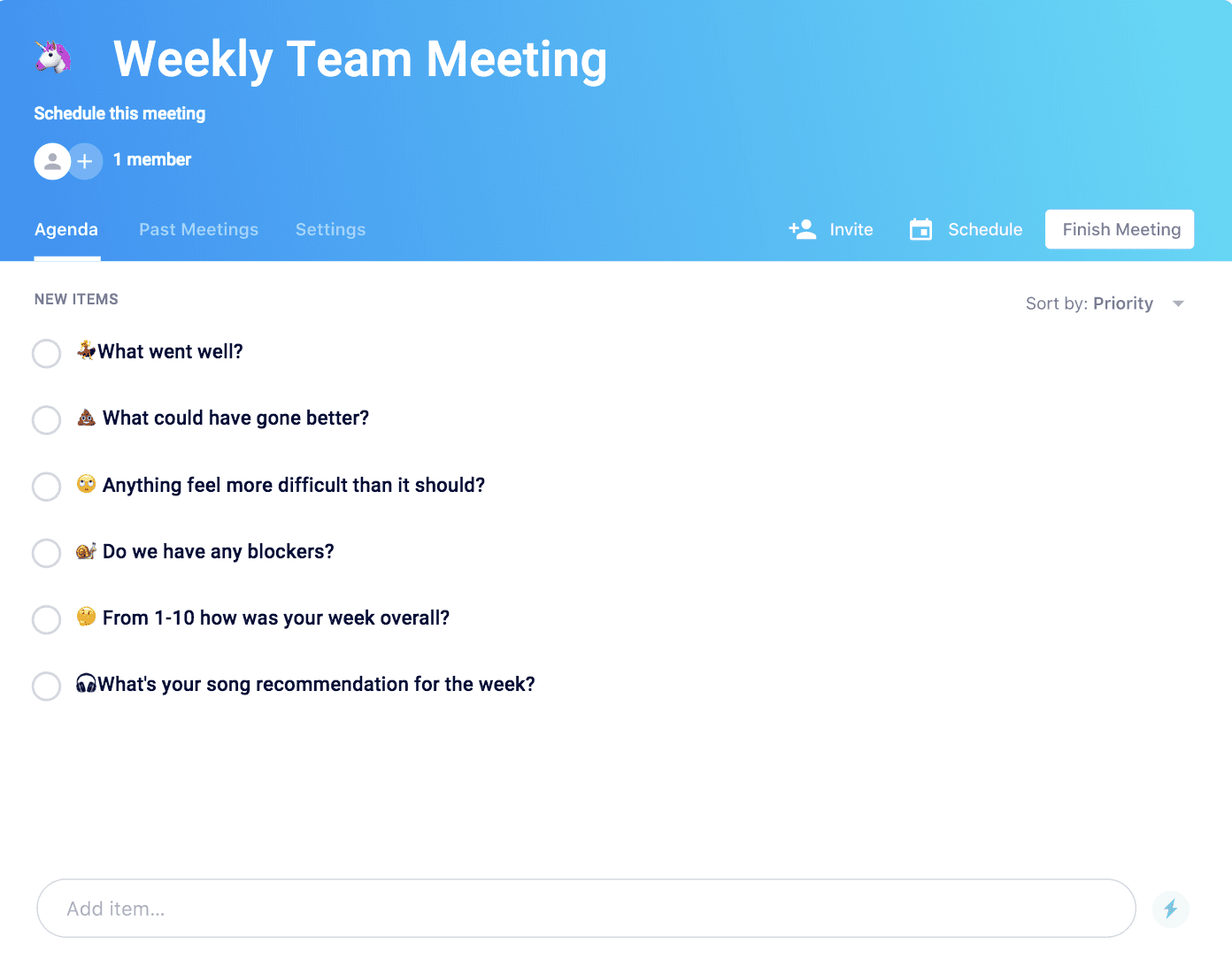 1392×1102 weekly team meeting agenda template manager from hypercontext.com


Weekly Team Agenda Template :
Weekly Team Agenda Template was posted in August 28, 2025 at 2:23 am. If you wanna have it as yours, please click the Pictures and you will go to click right mouse then Save Image As and Click Save and download the Weekly Team Agenda Template Picture.. Don’t forget to share this picture with others via Facebook, Twitter, Pinterest or other social medias! we do hope you'll get inspired by SampleTemplates123... Thanks again! If you have any DMCA issues on this post, please contact us!