Marketing Planning Agenda
Marketing Planning Agenda: A Comprehensive Guide
A well-defined marketing planning agenda is the backbone of successful marketing campaigns. It provides a structured framework for organizing, strategizing, and executing marketing initiatives to achieve specific business objectives. This guide will outline the key components of a comprehensive marketing planning agenda, ensuring a focused and effective approach.
I. Setting the Stage: Understanding the Current Landscape
1. Market Analysis (45 minutes)
Before diving into strategies, it’s crucial to understand the current market environment. This segment should involve:
* **Industry Overview:** A brief overview of the industry, including its size, growth rate, and key trends. Are there emerging technologies, regulatory changes, or shifts in consumer behavior? * **Competitive Analysis:** Identify key competitors and analyze their strengths, weaknesses, opportunities, and threats (SWOT). What are their marketing strategies? What are they doing well, and where are they vulnerable? * **Target Audience Analysis:** Revisit and refine the understanding of the target audience. This includes demographics, psychographics, buying behavior, needs, and pain points. Are there new segments emerging? Have existing segments changed? This should be data-driven, leveraging market research, customer surveys, and website analytics. * **SWOT Analysis (Internal):** A honest assessment of the company’s internal strengths and weaknesses related to marketing. This includes marketing resources, budget, expertise, and brand reputation.
2. Performance Review (30 minutes)
Evaluate the performance of previous marketing efforts to identify what worked and what didn’t. This segment should include:
* **Review of Key Performance Indicators (KPIs):** Analyze KPIs such as website traffic, lead generation, conversion rates, customer acquisition cost (CAC), return on investment (ROI), and customer lifetime value (CLTV). * **Campaign Performance:** Evaluate the performance of specific marketing campaigns, including their reach, engagement, and conversion rates. Which channels were most effective? Which campaigns generated the best ROI? * **Lessons Learned:** Discuss what worked well, what didn’t, and why. What were the key learnings from past campaigns? How can these learnings be applied to future strategies? * **Budget Reconciliation:** Review the actual spend versus the planned budget for the previous period. Identify any overspending or underspending and understand the reasons behind these variances.
II. Defining the Future: Setting Goals and Objectives
3. Defining Marketing Objectives (30 minutes)
Establish clear, measurable, achievable, relevant, and time-bound (SMART) marketing objectives that align with overall business goals. This segment should include:
* **Business Goal Alignment:** How will marketing contribute to the company’s overall business goals, such as revenue growth, market share expansion, or brand awareness? * **Specific Objectives:** Define specific marketing objectives, such as increasing website traffic by a certain percentage, generating a specific number of leads, or improving customer satisfaction scores. * **Measurable Metrics:** Identify the metrics that will be used to track progress towards the marketing objectives. This could include website traffic, lead generation, conversion rates, customer acquisition cost, or brand awareness. * **Timeframe:** Set a timeframe for achieving the marketing objectives. This could be quarterly, annually, or longer-term.
III. Crafting the Strategy: Identifying the Path to Success
4. Strategy Development (60 minutes)
Brainstorm and develop the overall marketing strategy to achieve the defined objectives. This segment should include:
* **Target Audience Segmentation:** Further refine target audience segments and develop tailored marketing strategies for each segment. * **Channel Selection:** Identify the most effective marketing channels to reach the target audience, considering factors such as budget, reach, and engagement. Channels may include digital marketing (SEO, SEM, social media, email marketing), traditional marketing (print, radio, television), and public relations. * **Messaging and Positioning:** Develop compelling messaging and positioning that resonates with the target audience and differentiates the company from its competitors. * **Content Strategy:** Outline the type of content that will be created and distributed, considering the target audience’s interests and needs. This could include blog posts, articles, videos, infographics, and social media updates. * **Competitive Differentiation:** Define the unique selling proposition (USP) and how the company will differentiate itself from competitors.
5. Tactical Planning (45 minutes)
Translate the overarching strategy into specific, actionable tactics. This involves outlining the specific activities and initiatives that will be undertaken to achieve the marketing objectives. This segment should include:
* **Campaign Development:** Develop specific marketing campaigns for each channel, including campaign goals, target audience, messaging, and budget. * **Content Calendar:** Create a content calendar to schedule the creation and distribution of content. * **Marketing Automation:** Implement marketing automation tools to streamline marketing processes and improve efficiency. * **A/B Testing:** Plan for A/B testing to optimize marketing campaigns and improve conversion rates.
IV. Execution and Measurement: Turning Plans into Results
6. Budget Allocation (30 minutes)
Allocate the marketing budget across different channels and campaigns, ensuring that resources are allocated effectively to maximize ROI. This segment should include:
* **Budget Breakdown:** Allocate the budget across different marketing channels, such as digital marketing, traditional marketing, and public relations. * **Campaign Budgeting:** Allocate the budget to specific marketing campaigns, considering the campaign goals and target audience. * **Contingency Planning:** Allocate a portion of the budget to contingency planning to address unexpected challenges or opportunities.
7. Implementation and Tracking (30 minutes)
Outline the process for implementing the marketing plan and tracking progress towards the objectives. This segment should include:
* **Task Assignment:** Assign specific tasks to team members and establish deadlines. * **Project Management Tools:** Utilize project management tools to track progress and ensure that tasks are completed on time. * **KPI Tracking:** Track KPIs on a regular basis to monitor progress towards the marketing objectives. * **Reporting:** Establish a reporting schedule to communicate progress to stakeholders.
8. Review and Adjustment (15 minutes)
Establish a process for regularly reviewing the marketing plan and making adjustments as needed. This segment should include:
* **Performance Review:** Regularly review the performance of marketing campaigns and identify areas for improvement. * **Market Changes:** Monitor changes in the market environment and adjust the marketing plan accordingly. * **Contingency Planning:** Implement contingency plans to address unexpected challenges or opportunities.
 390×505 marketing meeting agenda examples from www.examples.com
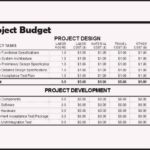
  2800×1644 event marketing plan timeline template teamgantt from www.teamgantt.com



Marketing Planning Agenda :
Marketing Planning Agenda was posted in June 14, 2025 at 1:26 pm. If you wanna have it as yours, please click the Pictures and you will go to click right mouse then Save Image As and Click Save and download the Marketing Planning Agenda Picture.. Don’t forget to share this picture with others via Facebook, Twitter, Pinterest or other social medias! we do hope you'll get inspired by SampleTemplates123... Thanks again! If you have any DMCA issues on this post, please contact us!