Budgeting Plan Template For Home Renovations
I. Understanding the Scope of Your Project
Before diving into numbers, clarify the scope of your renovation. This involves answering crucial questions: * **What areas of the house are being renovated?** (Kitchen, bathroom, entire house, etc.) * **What is the extent of the renovation?** (Cosmetic updates, structural changes, complete overhaul) * **Are you DIYing any part of the project, or hiring professionals for everything?** * **What is your timeline?** (Knowing the duration helps anticipate potential delays and cost fluctuations) A clearly defined scope helps to accurately estimate costs and avoid “scope creep,” where the project expands beyond the initial plan, leading to budget overruns.
II. Creating the Budget Spreadsheet
Use a spreadsheet program (like Google Sheets or Microsoft Excel) to create your budget. Organize the spreadsheet into the following categories: * **Item/Category:** (e.g., Demolition, Plumbing, Electrical, Materials, Labor) * **Description:** (Specific details of the item/service, e.g., “Demolition of existing kitchen cabinets,” “Plumbing rough-in for new bathroom,” “Electrical wiring for new outlets.”) * **Estimated Cost:** (Your initial estimate for each item based on research and quotes) * **Actual Cost:** (The final cost of each item as invoices come in) * **Variance:** (The difference between the estimated cost and the actual cost. This helps identify areas where you’re over or under budget.) * **Notes:** (Any relevant information, such as the contractor’s name, supplier, or reasons for cost variations.)
III. Detailed Cost Breakdown
Break down the overall project into specific categories and items. Here’s a suggested breakdown, but customize it based on your project: **1. Demolition & Removal:** * **Description:** * Removal of existing fixtures (cabinets, appliances, flooring, etc.) * Demolition of walls or structures. * Disposal fees for debris. * **Factors Influencing Cost:** * Size of the area being demolished. * Complexity of the demolition (e.g., load-bearing walls). * Disposal fees in your area. **2. Design & Permits:** * **Description:** * Architectural fees (if applicable). * Interior designer fees (if applicable). * Permit fees from your local municipality. * **Factors Influencing Cost:** * Complexity of the design. * Whether you hire an architect or designer. * Local permit fees. **3. Structural Work (if applicable):** * **Description:** * Foundation repairs. * Framing. * Wall construction or removal. * **Factors Influencing Cost:** * Extent of structural changes. * Materials used (lumber, steel, etc.). * Labor costs. **4. Plumbing:** * **Description:** * Plumbing rough-in for new fixtures. * Installation of sinks, toilets, showers, bathtubs. * Water heater installation. * **Factors Influencing Cost:** * Number of fixtures being installed. * Complexity of the plumbing system. * Cost of plumbing fixtures. **5. Electrical:** * **Description:** * Electrical wiring for new outlets and lighting. * Installation of lighting fixtures. * Electrical panel upgrades. * **Factors Influencing Cost:** * Number of new outlets and fixtures. * Complexity of the electrical system. * Cost of lighting fixtures. **6. HVAC (Heating, Ventilation, and Air Conditioning):** * **Description:** * Ductwork installation or modification. * Installation of new HVAC units. * Thermostat installation. * **Factors Influencing Cost:** * Size of the area being heated or cooled. * Type of HVAC system. * Installation complexity. **7. Insulation:** * **Description:** * Installation of insulation in walls, ceilings, and floors. * **Factors Influencing Cost:** * Type of insulation (fiberglass, spray foam, etc.). * Area being insulated. * Labor costs. **8. Drywall & Painting:** * **Description:** * Installation of drywall. * Painting walls, ceilings, and trim. * **Factors Influencing Cost:** * Area being drywalled and painted. * Number of coats of paint. * Labor costs. **9. Flooring:** * **Description:** * Installation of flooring materials (tile, hardwood, carpet, laminate, etc.). * **Factors Influencing Cost:** * Type of flooring material. * Area being covered. * Labor costs. **10. Cabinets & Countertops:** * **Description:** * Purchase and installation of cabinets. * Purchase and installation of countertops. * **Factors Influencing Cost:** * Type of cabinets (stock, semi-custom, custom). * Countertop material (granite, quartz, laminate, etc.). * Size and complexity of the cabinet and countertop layout. **11. Appliances:** * **Description:** * Purchase and installation of new appliances (refrigerator, oven, dishwasher, etc.). * **Factors Influencing Cost:** * Appliance brand and features. * Installation costs. **12. Fixtures & Finishes:** * **Description:** * Purchase and installation of faucets, sinks, toilets, light fixtures, door hardware, etc. * **Factors Influencing Cost:** * Brand and quality of fixtures. * Installation costs. **13. Labor Costs:** * **Description:** * Contractor fees. * Subcontractor fees (plumbers, electricians, etc.). * **Factors Influencing Cost:** * Experience and reputation of the contractor. * Complexity of the project. * Geographic location. **14. Contingency Fund:** * **Description:** * A percentage of the total budget set aside for unexpected costs. * **Recommendation:** * Allocate at least 10-20% of your total budget to a contingency fund.
IV. Getting Accurate Estimates
Obtain multiple quotes from different contractors for each aspect of the project. Compare the quotes carefully, considering not only the price but also the contractor’s experience, reputation, and warranty. Research material costs online and at local stores. Don’t be afraid to negotiate prices with contractors and suppliers.
V. Tracking Expenses and Managing the Budget
As the project progresses, diligently track all expenses in your spreadsheet. Update the “Actual Cost” column with the actual amount spent for each item. Calculate the “Variance” to see how your spending compares to your estimates. Regularly review your budget and make adjustments as needed. If you are exceeding your budget in one area, look for ways to save money in another. Communicate regularly with your contractor to stay informed about any potential cost changes.
VI. Tips for Staying on Budget
* **Prioritize:** Identify essential elements versus those that are desirable but not critical. * **Shop around:** Compare prices from multiple vendors. * **Consider DIY:** If you have the skills, doing some of the work yourself can save money. * **Be flexible:** Be prepared to make changes to your plans if necessary. * **Avoid scope creep:** Resist the temptation to add extra features or upgrades during the project. * **Document everything:** Keep track of all invoices, receipts, and change orders. By following this budgeting template and diligently managing your finances, you can increase your chances of completing your home renovation on time and within budget, creating the home of your dreams without breaking the bank. Remember that open communication with your contractors and suppliers is key to addressing any unforeseen issues and ensuring a successful renovation.
 907×735 home renovation budget template excel template haven from templatehaven.com
  899×685 home remodel budget template home remodel budget from myexceltemplates.com
 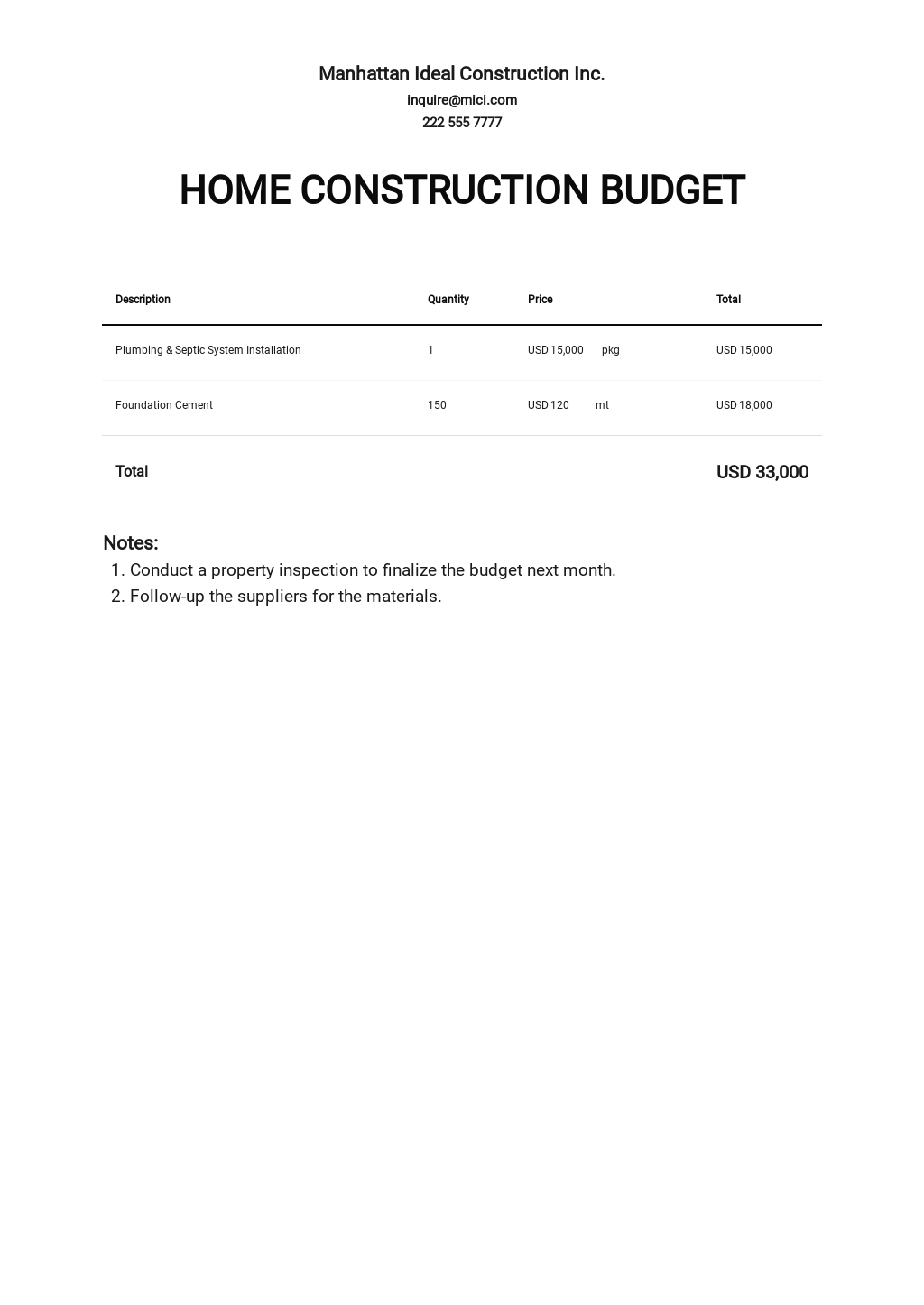 1024×1446 home renovation budget template google docs google sheets from www.template.net
  873×681 home renovation budget template excel tmp from exceltmp.com
  820×531 home remodel budget templates printable xlsx from www.excelstemplates.com
  1920×1080 home renovation budget template august from millennialhomeowner.com
  736×1079 home renovation budget spreadsheet template db excelcom from db-excel.com



Budgeting Plan Template For Home Renovations :
Budgeting Plan Template For Home Renovations was posted in September 12, 2025 at 12:26 pm. If you wanna have it as yours, please click the Pictures and you will go to click right mouse then Save Image As and Click Save and download the Budgeting Plan Template For Home Renovations Picture.. Don’t forget to share this picture with others via Facebook, Twitter, Pinterest or other social medias! we do hope you'll get inspired by SampleTemplates123... Thanks again! If you have any DMCA issues on this post, please contact us!