Small Business Financial Plan Template
Small Business Financial Plan Template: A Roadmap to Success
A comprehensive financial plan is the bedrock of any successful small business. It’s not merely a document for securing funding; it’s a dynamic tool that guides decision-making, tracks progress, and anticipates challenges. Creating a financial plan from scratch can be daunting, but a well-structured template can simplify the process and ensure you cover all essential elements. This article explores the key components of a small business financial plan template and how to effectively utilize it.
Why Use a Financial Plan Template?
Before diving into the specifics, it’s important to understand the advantages of using a template:
- Structure and Organization: Templates provide a pre-defined structure, ensuring you include all necessary sections and calculations. This minimizes the risk of overlooking crucial aspects of your financial projections.
- Time Savings: Instead of building a financial plan from the ground up, you can focus on filling in the blanks and customizing the template to your specific business needs.
- Consistency and Accuracy: Templates often include built-in formulas and calculations, reducing the potential for errors and ensuring consistency across your financial statements.
- Professional Presentation: A well-designed template can help you present your financial projections in a clear, concise, and professional manner, which is especially important when seeking funding from investors or lenders.
- Benchmarking: Templates often incorporate industry benchmarks and key performance indicators (KPIs), allowing you to compare your projected performance against industry averages and identify areas for improvement.
Key Components of a Small Business Financial Plan Template
A robust financial plan template typically includes the following sections:
1. Executive Summary
This is a brief overview of your entire financial plan, highlighting key assumptions, projections, and funding requests (if applicable). It should be concise and compelling, capturing the essence of your business and its financial viability. Think of it as an “elevator pitch” for your financial strategy. It usually includes:
- Business description (brief)
- Funding request (if any)
- Key financial highlights (e.g., projected revenue, profitability)
2. Startup Costs
This section outlines all the expenses incurred before your business officially launches. This includes one-time costs like equipment purchases, initial inventory, permits, and legal fees. A detailed list of startup costs is crucial for determining your initial funding needs and understanding your break-even point. Include items such as:
- Equipment
- Inventory
- Permits and licenses
- Legal and accounting fees
- Marketing and advertising expenses
- Security deposits
3. Revenue Projections
This is where you forecast your expected sales revenue over a specific period, typically three to five years. Your revenue projections should be realistic and based on thorough market research, sales forecasts, and pricing strategies. Break down revenue by product or service line and consider factors like seasonality, market trends, and competitive landscape. Things to include:
- Sales forecast (units sold, price per unit)
- Pricing strategy
- Market analysis
- Competitive analysis
4. Operating Expenses
This section details the ongoing expenses required to run your business, such as rent, utilities, salaries, marketing, and insurance. Categorize your operating expenses into fixed costs (expenses that remain relatively constant regardless of sales volume) and variable costs (expenses that fluctuate with sales volume). Common expense categories:
- Rent
- Utilities
- Salaries and wages
- Marketing and advertising
- Insurance
- Supplies
5. Income Statement (Profit and Loss Statement)
This statement summarizes your revenues, expenses, and net profit (or loss) over a specific period. It provides a clear picture of your business’s profitability and is a key indicator of its financial health. It usually displays:
- Revenue
- Cost of Goods Sold (COGS)
- Gross Profit
- Operating Expenses
- Operating Income
- Net Income
6. Cash Flow Statement
This statement tracks the movement of cash into and out of your business over a specific period. It distinguishes between cash flows from operating activities, investing activities, and financing activities. A positive cash flow is essential for meeting short-term obligations and ensuring the long-term viability of your business. Main sections are:
- Cash Flow from Operations
- Cash Flow from Investing
- Cash Flow from Financing
- Net Change in Cash
7. Balance Sheet
This statement provides a snapshot of your business’s assets, liabilities, and equity at a specific point in time. It follows the accounting equation: Assets = Liabilities + Equity. The balance sheet reflects your company’s financial position and its ability to meet its obligations. Key components include:
- Assets (current and fixed)
- Liabilities (current and long-term)
- Equity
8. Break-Even Analysis
This analysis determines the sales volume required to cover all your fixed costs. It helps you understand the point at which your business starts generating a profit and is a critical tool for setting realistic sales targets. It calculates:
- Fixed Costs
- Variable Costs per Unit
- Selling Price per Unit
- Break-Even Point (in units and revenue)
9. Funding Request (if applicable)
If you’re seeking funding from investors or lenders, this section outlines the amount of funding you need, how you plan to use the funds, and your repayment strategy. Be specific and transparent about your funding needs and how the investment will contribute to your business’s growth. Be sure to include:
- Amount of funding requested
- Purpose of the funding
- Repayment terms (if applicable)
- Equity offered (if applicable)
Tips for Using a Financial Plan Template Effectively
- Customize the Template: Don’t treat the template as a rigid document. Adapt it to your specific business needs, industry, and market conditions.
- Be Realistic: Avoid overly optimistic projections. Base your assumptions on thorough research and realistic expectations.
- Document Your Assumptions: Clearly state the assumptions underlying your projections. This increases the credibility of your financial plan and allows others to understand your reasoning.
- Review and Update Regularly: Your financial plan is not a static document. Review and update it regularly to reflect changes in your business, the market, or the economy.
- Seek Professional Advice: Consider consulting with an accountant or financial advisor to review your financial plan and provide expert guidance.
By utilizing a well-structured financial plan template and following these tips, you can create a powerful roadmap for your small business’s financial success. Remember that a financial plan is an ongoing process, so embrace it as a vital tool for managing your business effectively and achieving your goals.
 601×338 small business financial plan template db excelcom from db-excel.com
  585×653 financial plan template word excel documents from www.template.net
  440×570 financial business plan template word excel format from www.template.net
 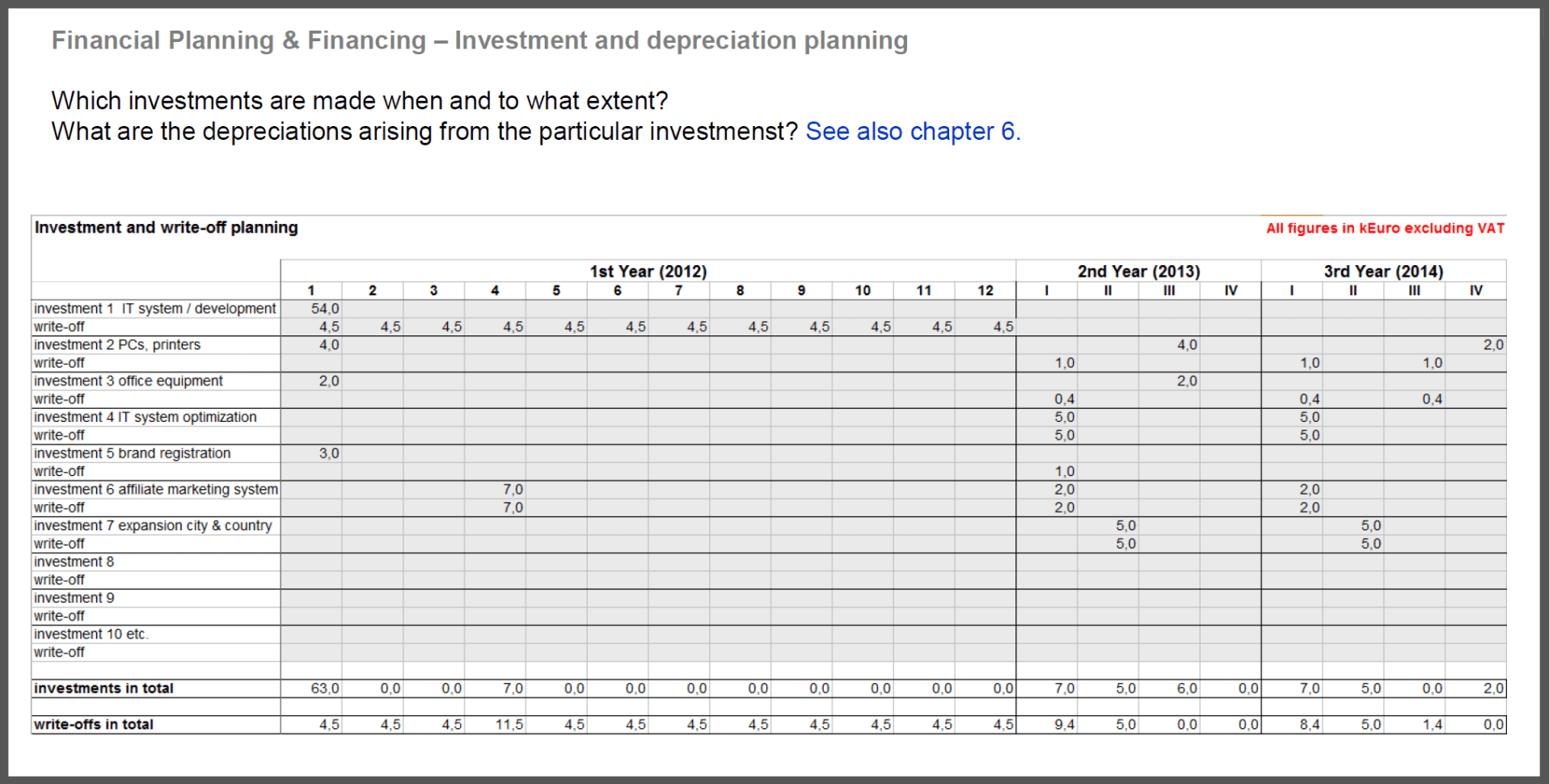 1916×970 financial business plan sample excelxocom from excelxo.com
  1024×921 financial business plan template excelxocom from excelxo.com
  972×1009 business plan financial template sampletemplatess sampletemplatess from www.sampletemplatess.com
  1280×774 business plan financial template spreadsheet templates business from db-excel.com
  1154×945 financial business plan template business plan templates from www.heritagechristiancollege.com
  600×730 sample financial business plan templates google docs ms from www.sampletemplates.com
  570×364 financial plan templates sampletemplatess sampletemplatess from www.sampletemplatess.com
  1280×768 financial plan template spreadsheet templates business finance from db-excel.com
  2500×2074 professional financial plan templates personal business from templatelab.com


Small Business Financial Plan Template :
Small Business Financial Plan Template was posted in September 23, 2025 at 7:30 pm. If you wanna have it as yours, please click the Pictures and you will go to click right mouse then Save Image As and Click Save and download the Small Business Financial Plan Template Picture.. Don’t forget to share this picture with others via Facebook, Twitter, Pinterest or other social medias! we do hope you'll get inspired by SampleTemplates123... Thanks again! If you have any DMCA issues on this post, please contact us!