Networking Plan Template
Networking Plan Template: A Comprehensive Guide
A networking plan is a strategic document that outlines your goals for building and maintaining professional relationships. It’s more than just attending events and exchanging business cards; it’s a focused approach to expanding your network in a way that aligns with your career aspirations or business objectives. A well-defined networking plan ensures your efforts are targeted, efficient, and yield meaningful results. This template provides a structured approach to creating your personalized networking plan.
I. Executive Summary
Briefly summarize your overall networking goals and the key strategies you’ll employ to achieve them. This section acts as a concise overview of your entire plan. For example, “This networking plan outlines the strategy to build a strong network within the [Industry] sector to facilitate career advancement into a [Desired Role] position within the next two years. This will be achieved through attending industry conferences, participating in online forums, and actively engaging with professionals in targeted companies.”
II. Goal Setting
Clearly define what you hope to achieve through networking. These goals should be SMART: Specific, Measurable, Achievable, Relevant, and Time-bound.
- Specific: Avoid vague goals. Instead of “Expand my network,” aim for “Connect with 10 senior professionals in the healthcare industry.”
- Measurable: Establish metrics to track your progress. For instance, “Attend at least one industry event per month.”
- Achievable: Set realistic goals based on your current resources and time constraints.
- Relevant: Ensure your goals align with your overall career or business objectives.
- Time-bound: Set deadlines for achieving your goals. For example, “Connect with five potential mentors by the end of Q3.”
Example Goals:
- Secure a mentor in my field within six months.
- Identify three potential job opportunities in target companies by the end of the year.
- Increase my professional network on LinkedIn by 50% within the next quarter.
- Establish myself as a thought leader in my industry through consistent online engagement.
III. Target Audience Identification
Determine who you need to connect with to achieve your goals. Consider the following factors:
- Industry: Which industries are relevant to your goals?
- Job Titles: What roles or positions can provide valuable insights or opportunities?
- Companies: Which organizations are you interested in working for or collaborating with?
- Skills & Expertise: What specific skills or knowledge are you seeking to gain through networking?
- Influence & Authority: Who are the key influencers and thought leaders in your field?
Create a detailed list of your ideal connections, including their names, titles, and contact information (if available). Prioritize these connections based on their potential impact on your goals.
IV. Networking Strategies
Outline the specific actions you’ll take to connect with your target audience. Consider a variety of methods, both online and offline:
- Online Networking:
- LinkedIn: Actively engage with content, join relevant groups, and connect with individuals.
- Twitter: Follow industry leaders and participate in relevant conversations.
- Online Forums & Communities: Contribute to discussions and build relationships with other members.
- Personal Website/Blog: Share your expertise and attract potential connections.
- Offline Networking:
- Industry Events & Conferences: Attend workshops, seminars, and networking sessions.
- Professional Organizations: Join associations related to your field.
- Workshops & Seminars: Enhance your skills and connect with like-minded individuals.
- Alumni Networks: Leverage your university or college connections.
- Volunteer Opportunities: Network while giving back to the community.
- Personal Networking:
- Informational Interviews: Request meetings with professionals to learn about their experiences and gain insights.
- Reconnecting with Past Colleagues: Reach out to former coworkers to rekindle relationships.
- Leveraging Existing Connections: Ask for introductions to individuals in your target audience.
For each strategy, define the specific steps you’ll take, the resources you’ll need, and the expected outcomes.
V. Communication Plan
Develop a clear communication strategy for engaging with your network. This includes:
- Crafting a compelling elevator pitch: A concise and engaging summary of your skills and goals.
- Preparing thoughtful questions: Show genuine interest in others and spark meaningful conversations.
- Following up after connections: Send personalized thank-you notes or emails.
- Maintaining regular contact: Stay top-of-mind by sharing relevant content, offering assistance, or simply checking in.
- Developing your personal brand: Ensure your online presence reflects your professional values and expertise.
Consider tailoring your communication style to different audiences and platforms. Practice your elevator pitch and prepare a list of relevant questions to ask potential connections.
VI. Resource Allocation
Identify the resources you’ll need to implement your networking plan. This may include:
- Time: Allocate specific time slots for networking activities.
- Financial Resources: Budget for event attendance, membership fees, or online tools.
- Skills & Knowledge: Identify any skills you need to develop (e.g., communication skills, public speaking)
- Tools & Technology: Utilize online platforms like LinkedIn, CRM software, or email marketing tools.
Create a realistic budget and schedule for your networking activities. Prioritize the resources that will have the greatest impact on your goals.
VII. Tracking and Evaluation
Establish a system for tracking your progress and evaluating the effectiveness of your networking efforts. Monitor key metrics such as:
- Number of new connections made.
- Attendance at networking events.
- Engagement on social media.
- Number of informational interviews conducted.
- Job opportunities identified.
- Mentorship relationships established.
Regularly review your progress and make adjustments to your plan as needed. Identify what’s working well and what needs improvement. Use this data to refine your networking strategies and maximize your results.
VIII. Contingency Planning
Anticipate potential challenges and develop backup plans. What will you do if an event is cancelled, a key contact is unavailable, or your initial strategies aren’t yielding the desired results? Having contingency plans in place will help you stay on track and adapt to unforeseen circumstances.
IX. Conclusion
Reiterate your commitment to implementing your networking plan and achieving your goals. Emphasize the importance of building and maintaining strong professional relationships for long-term success.
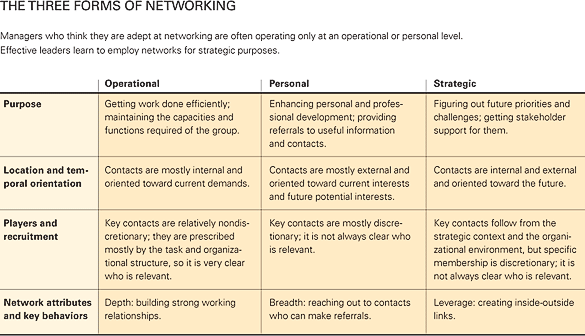 585×336 networking strategy plan examples from www.examples.com
  600×730 network strategic plan templates from www.template.net


Networking Plan Template :
Networking Plan Template was posted in June 28, 2025 at 9:14 pm. If you wanna have it as yours, please click the Pictures and you will go to click right mouse then Save Image As and Click Save and download the Networking Plan Template Picture.. Don’t forget to share this picture with others via Facebook, Twitter, Pinterest or other social medias! we do hope you'll get inspired by SampleTemplates123... Thanks again! If you have any DMCA issues on this post, please contact us!