Career Advancement Plan Template
Here’s an HTML formatted outline for a Career Advancement Plan Template, focusing on the content and structure, aiming for approximately 900 words: “`html
Career Advancement Plan Template
Introduction
A Career Advancement Plan is a strategic roadmap designed to guide your professional growth and help you achieve your long-term career goals. It’s a proactive approach that involves self-assessment, goal setting, skill development, and continuous monitoring. This template provides a structured framework for creating your own personalized career advancement plan.
Section 1: Self-Assessment & Reflection
1.1 Skills & Strengths
Identify your core competencies, technical skills, soft skills (communication, teamwork, leadership), and any other relevant talents. Consider both skills you excel at and those you enjoy using. Provide specific examples of how you’ve demonstrated these skills in past roles or projects. Be honest about your strengths; this forms the foundation of your plan.
- Example: “Proficient in Python programming, demonstrated through developing a data analysis tool that reduced reporting time by 20%.”
- Example: “Strong communication skills, evidenced by successfully presenting project proposals to senior management, resulting in project approval.”
1.2 Areas for Improvement
Acknowledge areas where you need to improve or develop new skills. Be specific and avoid generic statements like “I need to be better at everything.” Instead, identify concrete skills or knowledge gaps that hinder your progress. Consider seeking feedback from supervisors, colleagues, or mentors to gain a more comprehensive understanding of your areas for improvement. Frame these areas as opportunities for growth.
- Example: “Need to improve proficiency in project management methodologies, specifically Agile and Scrum.”
- Example: “Desire to enhance public speaking skills for more effective presentation delivery.”
1.3 Values & Interests
Reflect on your core values and what truly motivates you. What aspects of your work do you find most fulfilling? What type of work environment are you most productive in? Understanding your values and interests is crucial for aligning your career goals with your personal satisfaction. A career path that aligns with your values is more likely to be sustainable and enjoyable.
- Example: “Value collaboration and teamwork. Enjoy working on projects that have a positive social impact.”
- Example: “Interested in continuous learning and staying updated on the latest technology trends.”
1.4 Current Role Analysis
Evaluate your current role. Does it align with your skills, interests, and values? What opportunities are there for growth within your current position? What are the challenges you face? Identify any gaps between your current role and your desired career path. This analysis helps you determine whether you need to seek opportunities within your current organization or explore options elsewhere.
- Example: “Current role as a data analyst provides opportunities to use Python skills but lacks exposure to machine learning.”
- Example: “Challenges include limited opportunities for leadership roles within the current team.”
Section 2: Goal Setting
2.1 Short-Term Goals (1-2 years)
Define specific, measurable, achievable, relevant, and time-bound (SMART) goals that you want to accomplish in the next 1-2 years. These goals should be directly related to your career aspirations and address the areas for improvement identified in Section 1. Short-term goals act as stepping stones towards your long-term objectives.
- Example: “Obtain Project Management Professional (PMP) certification within 18 months.”
- Example: “Lead a small project team within the next year to gain leadership experience.”
2.2 Mid-Term Goals (3-5 years)
Outline your aspirations for the next 3-5 years. Where do you see yourself in your career at this stage? These goals should be more ambitious than your short-term goals and should reflect your long-term career vision. Consider potential roles, responsibilities, and levels of expertise you want to achieve.
- Example: “Become a Senior Data Scientist, leading data analysis projects and mentoring junior team members.”
- Example: “Transition into a product management role, responsible for defining and launching new software features.”
2.3 Long-Term Goals (5+ years)
Define your ultimate career aspirations. What is your dream role or position? What impact do you want to make in your field? Long-term goals provide a clear direction for your career path and help you stay motivated throughout your journey. These goals can be more aspirational and may evolve over time as your interests and priorities change.
- Example: “Become a Chief Data Officer, responsible for the overall data strategy of the organization.”
- Example: “Start my own consulting firm specializing in renewable energy solutions.”
Section 3: Action Plan & Development Activities
3.1 Skill Development
Identify specific actions you will take to develop the skills and knowledge needed to achieve your goals. This could include taking online courses, attending workshops, participating in mentorship programs, or seeking on-the-job training opportunities. Outline a timeline for each activity and track your progress.
- Example: “Enroll in an online Agile project management course on Coursera within the next month.”
- Example: “Attend a public speaking workshop at a local community center in Q2 2024.”
3.2 Networking & Mentorship
Build and maintain a professional network. Attend industry events, connect with people on LinkedIn, and seek out mentors who can provide guidance and support. Networking can open doors to new opportunities and provide valuable insights into your field. A mentor can offer advice, share their experiences, and help you navigate your career path.
- Example: “Attend at least two industry conferences per year to network with professionals in the field.”
- Example: “Identify and connect with a mentor in a senior management role within the organization.”
3.3 Experience & Projects
Seek out opportunities to gain relevant experience and work on projects that align with your career goals. This could involve volunteering for projects outside of your regular responsibilities, taking on stretch assignments, or seeking opportunities in different departments or teams. Document your accomplishments and quantify the impact of your work.
- Example: “Volunteer to lead a data analysis project for a non-profit organization.”
- Example: “Seek opportunities to work on cross-functional projects to broaden my understanding of the business.”
3.4 Education & Certifications
Consider pursuing further education or certifications to enhance your credentials and demonstrate your expertise. Research relevant programs and certifications that align with your career goals and assess the costs and benefits. Obtain any required prerequisites for these programs.
- Example: “Research different PMP certification training programs and select one that fits my budget and schedule.”
- Example: “Enroll in a master’s degree program in data science to deepen my technical knowledge.”
Section 4: Monitoring & Evaluation
4.1 Progress Tracking
Establish a system for tracking your progress towards your goals. This could involve using a spreadsheet, project management software, or simply keeping a journal. Regularly review your progress and identify any challenges or obstacles you’ve encountered.
4.2 Regular Review & Adjustment
Schedule regular reviews of your career advancement plan. This could be monthly, quarterly, or annually. During these reviews, assess your progress, identify any changes in your circumstances or priorities, and adjust your plan accordingly. A career advancement plan is a living document that should be updated as your career evolves.
4.3 Seeking Feedback
Continuously seek feedback from supervisors, colleagues, mentors, and other relevant individuals. Use this feedback to identify areas for improvement and refine your approach. Be open to constructive criticism and use it to enhance your performance and accelerate your career growth.
Conclusion
A well-defined Career Advancement Plan is a valuable tool for achieving your professional goals. By following this template and consistently monitoring your progress, you can take control of your career and create a fulfilling and successful future.
“`
 1226×960 career plan template sample sampletemplatess sampletemplatess from www.sampletemplatess.com
  1567×1224 career development plan template sampletemplatess sampletemplatess from www.sampletemplatess.com
  1200×750 career plan template impact interview from www.impactinterview.com
  1211×1584 career development plan employees template sampletemplatess from www.sampletemplatess.com
  628×758 career development plan template from lesboucans.com
  585×600 sample career plan templates ms word pages google from www.sampletemplates.com
  585×600 sample career plans sample templates from www.sampletemplates.com
  1056×816 sample career plan template classles democracy from classlesdemocracy.blogspot.com
  570×739 employee career development plan template openview labs from openviewpartners.com



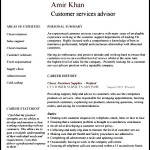
Career Advancement Plan Template :
Career Advancement Plan Template was posted in November 1, 2025 at 12:49 pm. If you wanna have it as yours, please click the Pictures and you will go to click right mouse then Save Image As and Click Save and download the Career Advancement Plan Template Picture.. Don’t forget to share this picture with others via Facebook, Twitter, Pinterest or other social medias! we do hope you'll get inspired by SampleTemplates123... Thanks again! If you have any DMCA issues on this post, please contact us!
Related For Career Advancement Plan Template
Business Plan Template For Online S
Business Plan Template for Online Store Business Plan TemplateProject Plan Template For Nonprofit
Nonprofit Project Plan Template: A Guide to Success Nonprofit