Resume Improvement Plan Template
Resume Improvement Plan Template: A Comprehensive Guide
Crafting a compelling resume is crucial for landing your dream job. A generic resume simply won’t cut it in today’s competitive market. A well-structured resume improvement plan can transform your resume from mediocre to outstanding, significantly increasing your chances of securing interviews. This template outlines key steps and considerations to help you create a resume that effectively showcases your skills, experience, and achievements.
I. Assessment and Goal Setting
A. Initial Resume Review: Identifying Weaknesses
Begin by critically reviewing your current resume. Print it out and examine it with a fresh perspective, as if you were an employer seeing it for the first time. Ask yourself these questions:
- Is it visually appealing and easy to read? Consider the font, layout, and use of white space. A cluttered or poorly formatted resume will likely be discarded.
- Does it clearly highlight my key skills and experiences relevant to my target job? Ensure the most important information is prominent and easy to find.
- Are my accomplishments quantified and described with action verbs? Use numbers and metrics to demonstrate the impact of your contributions.
- Is the resume tailored to specific job descriptions? A generic resume will not resonate with recruiters.
- Is it free of grammatical errors and typos? Proofreading is essential.
- Does it tell a compelling story about my career progression? The resume should present a cohesive narrative of your skills and experiences.
Document your observations and identify specific areas for improvement. For example, “Add metrics to quantify achievements in previous roles” or “Reformat the resume to improve readability.”
B. Defining Your Career Goals
Before making any changes, clarify your career goals. What type of job are you seeking? What industry are you targeting? Understanding your objectives will help you tailor your resume effectively.
- Identify your target job titles. This will help you use relevant keywords throughout your resume.
- Research the skills and qualifications required for your target roles. Review job descriptions and identify common requirements.
- Determine the key accomplishments you want to highlight. Choose achievements that demonstrate your ability to succeed in your target role.
Having a clear vision of your career goals will ensure your resume is focused and relevant.
C. Setting SMART Goals for Resume Improvement
Transform your identified weaknesses into specific, measurable, achievable, relevant, and time-bound (SMART) goals. For example:
- Specific: Improve the “Experience” section to better showcase my accomplishments.
- Measurable: Add at least three quantified achievements to each bullet point in my previous roles.
- Achievable: Research and use action verbs to describe my responsibilities and accomplishments effectively.
- Relevant: Tailor the resume to match the skills and qualifications listed in job descriptions for [Target Job Title] roles.
- Time-bound: Complete these improvements within two weeks.
II. Content Enhancement
A. Optimizing Your Resume Summary/Objective
The summary or objective statement is the first thing a recruiter sees. Make it count! A strong summary highlights your key skills, experience, and career goals in a concise and compelling manner. An objective statement, generally used by entry-level candidates or career changers, should clearly state your career aspirations and how your skills align with the target role. Consider these points:
- Use keywords relevant to your target industry and role.
- Highlight your most impressive accomplishments.
- Keep it brief (no more than 3-4 sentences).
- Tailor it to each job application.
B. Detailing Your Experience with Action Verbs and Quantifiable Results
The “Experience” section is the heart of your resume. Use strong action verbs to describe your responsibilities and, more importantly, quantify your accomplishments. Instead of simply listing duties, demonstrate the impact of your contributions.
- Start each bullet point with an action verb (e.g., managed, developed, implemented, led).
- Quantify your achievements whenever possible (e.g., increased sales by 20%, reduced costs by 15%, managed a team of 10).
- Focus on accomplishments rather than just responsibilities.
- Use the STAR method (Situation, Task, Action, Result) to structure your descriptions.
For example, instead of writing “Responsible for managing social media accounts,” write “Managed social media accounts, increasing follower engagement by 30% and generating a 15% increase in leads within six months.”
C. Highlighting Your Skills and Education
Create a dedicated “Skills” section that lists both hard and soft skills relevant to your target job. Ensure the skills listed are accurate and verifiable. In the “Education” section, include your degrees, certifications, and relevant coursework. Consider these tips:
- List both technical and soft skills.
- Tailor the skills list to match the job description.
- Include relevant certifications and training programs.
- List your education in reverse chronological order.
III. Formatting and Design
A. Choosing the Right Font and Layout
The visual appeal of your resume is just as important as the content. Choose a professional and easy-to-read font, such as Arial, Calibri, or Times New Roman. Use a clean and organized layout that highlights the most important information.
- Use a font size between 10 and 12 points.
- Use clear headings and subheadings to organize your resume.
- Use bullet points to break up large blocks of text.
- Ensure there is sufficient white space to improve readability.
B. Optimizing for Applicant Tracking Systems (ATS)
Many companies use Applicant Tracking Systems (ATS) to screen resumes. Optimize your resume for ATS by using keywords from the job description, avoiding graphics and tables, and saving your resume as a plain Word document (.doc or .docx).
- Use keywords from the job description throughout your resume.
- Avoid using headers and footers.
- Use simple formatting.
- Test your resume using an online ATS scanner.
IV. Review and Feedback
A. Proofreading and Editing
Thoroughly proofread your resume for grammatical errors, typos, and inconsistencies. Ask a friend, family member, or career counselor to review your resume as well. A fresh pair of eyes can often catch mistakes you might have missed.
B. Seeking Feedback from Professionals
Consider seeking feedback from career counselors, recruiters, or professionals in your target industry. They can provide valuable insights and suggestions for improvement.
C. Iterating and Refining
Resume improvement is an ongoing process. Continuously iterate and refine your resume based on feedback and job market trends. Keep your resume updated with your latest accomplishments and skills.
By following this comprehensive resume improvement plan template, you can create a compelling resume that showcases your strengths and significantly increases your chances of landing your dream job. Remember to tailor your resume to each job application and continuously refine it based on feedback and market trends.
 1760×1140 improvement plan template excel google sheets templatenet from www.template.net
  1900×1343 employee performance improvement plan template elegant performance from www.pinterest.com
 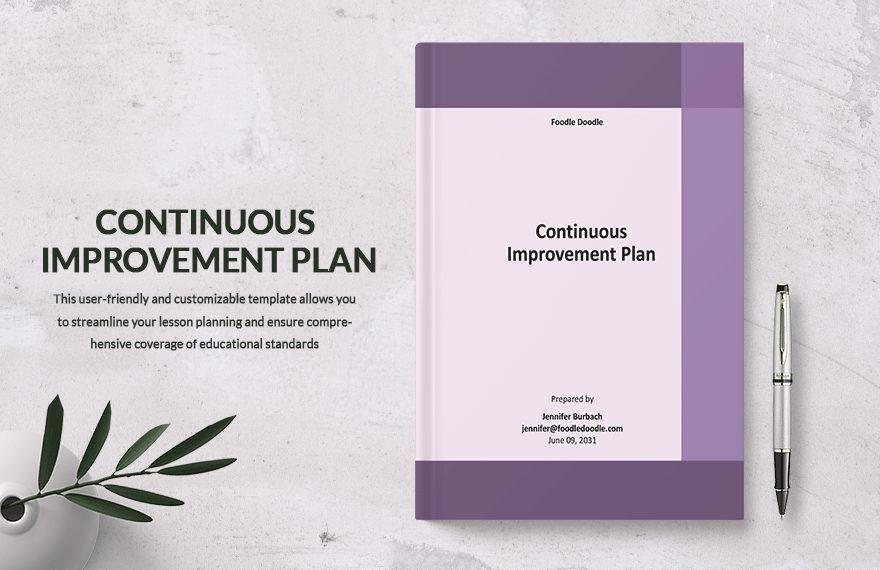 880×570 continuous improvement plan template word google docs pages from www.template.net
  880×1243 continuous improvement action plan template google docs word apple from www.template.net
  1024×1446 improvement plan templates edit templatenet from www.template.net
  1024×1446 improvement plan word templates templatenet from www.template.net
  1024×1446 recruitment process improvement plan template google docs word from www.template.net
  840×649 continuous improvement template improvement template from www.heritagechristiancollege.com
  900×1274 employee improvement plan template charlotte clergy coalition from charlotteclergycoalition.com
  2500×2053 improvement plan template from www.fity.club
  800×450 create process improvement plan templates work scribe from scribehow.com
  1080×678 continuous improvement plan template from www.cascade.app
  585×600 sample improvement plan templates ms word from www.sampletemplates.com
  983×375 continuous improvement template continuous process improvement from www.heritagechristiancollege.com
 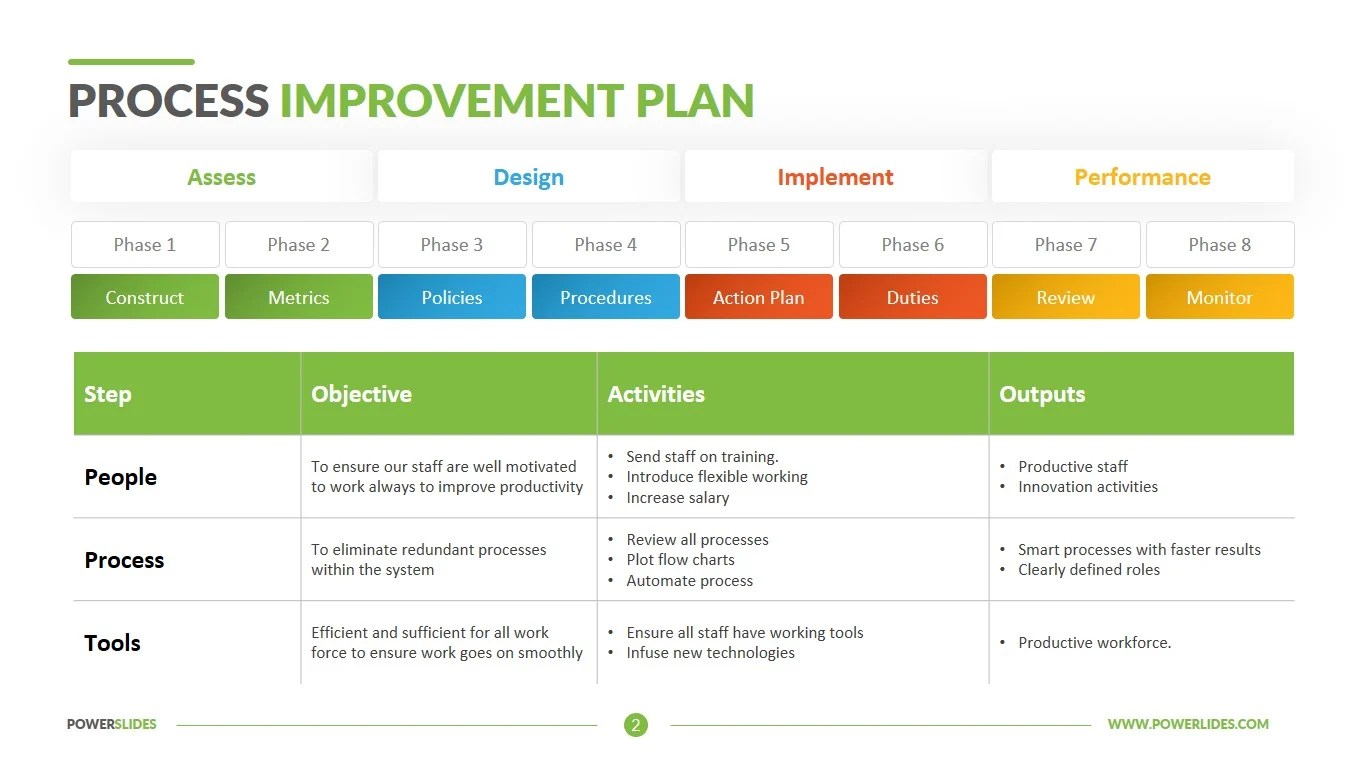 1365×767 continuous improvement action plan template from mungfali.com
  900×695 process improvement plan template luxury performance improvement from www.pinterest.ca
  1301×1029 business process improvement plan template smartsheet letter from www.pinterest.com
  474×611 sales performance improvement plan template lovely performance from in.pinterest.com



Resume Improvement Plan Template :
Resume Improvement Plan Template was posted in December 18, 2025 at 11:52 am. If you wanna have it as yours, please click the Pictures and you will go to click right mouse then Save Image As and Click Save and download the Resume Improvement Plan Template Picture.. Don’t forget to share this picture with others via Facebook, Twitter, Pinterest or other social medias! we do hope you'll get inspired by SampleTemplates123... Thanks again! If you have any DMCA issues on this post, please contact us!