HR Improvement Plan Template
HR Improvement Plan Template: A Guide to Strategic Enhancement
An HR Improvement Plan Template serves as a roadmap for identifying, prioritizing, and implementing strategic enhancements within the Human Resources department. It is a crucial tool for aligning HR practices with overall organizational goals, boosting employee engagement, and optimizing talent management. A well-structured plan fosters a culture of continuous improvement, ensuring HR remains proactive and effective in supporting the workforce.
Key Components of an HR Improvement Plan Template
A robust HR Improvement Plan Template comprises several key components that work together to provide a comprehensive framework for action. These components typically include:
- Executive Summary: A concise overview of the plan, outlining its purpose, key objectives, and anticipated outcomes. This section should immediately capture the reader’s attention and highlight the importance of the improvements.
- Situation Analysis: A thorough assessment of the current state of the HR department. This involves identifying strengths, weaknesses, opportunities, and threats (SWOT analysis). Data from employee surveys, performance reviews, exit interviews, and HR metrics are used to provide an objective view of current performance.
- Goals and Objectives: Clearly defined goals and objectives that are Specific, Measurable, Achievable, Relevant, and Time-bound (SMART). Goals represent the broader aspirations, while objectives are the specific actions needed to achieve those goals. Examples of goals might include “Improve employee retention rates” or “Enhance employee engagement.” Objectives could be “Implement a new employee onboarding program” or “Conduct regular employee pulse surveys.”
- Action Plan: A detailed breakdown of the specific steps required to achieve each objective. This section outlines the tasks, responsible parties, timelines, resources required, and key performance indicators (KPIs) for each activity. The action plan ensures accountability and helps track progress.
- Resource Allocation: Identification of the resources needed to support the improvement plan, including budget, personnel, technology, and training. A clear understanding of resource requirements is essential for realistic planning and successful implementation.
- Timeline and Milestones: A realistic timeline with specific milestones to track progress and ensure the plan stays on schedule. Milestones are significant checkpoints that indicate whether the plan is on track and allow for adjustments if needed.
- Communication Plan: A strategy for communicating the HR improvement plan to relevant stakeholders, including employees, managers, and senior leadership. Effective communication ensures buy-in, transparency, and understanding of the changes being implemented.
- Risk Assessment and Mitigation: Identification of potential risks and challenges that could hinder the implementation of the plan, along with strategies for mitigating those risks. This proactive approach allows for contingency planning and minimizes the impact of unforeseen obstacles.
- Evaluation and Monitoring: A system for tracking progress, measuring results, and evaluating the effectiveness of the improvement plan. This includes establishing KPIs, collecting data, and analyzing results to determine whether the plan is achieving its objectives. Regular monitoring allows for adjustments and refinements to the plan as needed.
Benefits of Using an HR Improvement Plan Template
Implementing an HR Improvement Plan, guided by a well-structured template, offers numerous benefits to organizations:
- Improved HR Efficiency and Effectiveness: The plan streamlines HR processes, optimizes resource allocation, and ensures that HR initiatives are aligned with organizational goals, leading to increased efficiency and effectiveness.
- Enhanced Employee Engagement: By addressing employee concerns and improving HR practices, the plan can boost employee morale, motivation, and engagement, resulting in a more productive and satisfied workforce.
- Reduced Employee Turnover: By focusing on employee retention strategies, such as improved onboarding, training, and career development opportunities, the plan can reduce employee turnover rates and associated costs.
- Better Talent Management: The plan can improve talent acquisition, development, and management processes, ensuring that the organization has the right people in the right roles to achieve its strategic objectives.
- Increased Legal Compliance: By ensuring that HR practices are compliant with all applicable laws and regulations, the plan can reduce the risk of legal challenges and liabilities.
- Stronger Organizational Culture: By fostering a culture of continuous improvement and employee development, the plan can strengthen the organization’s culture and create a more positive and supportive work environment.
- Data-Driven Decision Making: The plan encourages the use of data and metrics to inform HR decisions, leading to more objective and effective strategies.
- Enhanced Communication and Collaboration: The communication plan promotes transparency and collaboration among stakeholders, ensuring that everyone is informed and engaged in the improvement process.
- Continuous Improvement: The evaluation and monitoring system ensures that the plan is continuously reviewed and updated, allowing for ongoing improvement and adaptation to changing business needs.
Steps to Develop an Effective HR Improvement Plan
- Conduct a Thorough Assessment: Begin by conducting a comprehensive assessment of the current state of HR, using data from various sources to identify areas for improvement.
- Define Clear Goals and Objectives: Establish specific, measurable, achievable, relevant, and time-bound goals and objectives that align with organizational priorities.
- Develop a Detailed Action Plan: Create a detailed action plan that outlines the specific steps required to achieve each objective, including timelines, responsible parties, and resources.
- Allocate Resources Effectively: Ensure that adequate resources are allocated to support the implementation of the plan, including budget, personnel, and technology.
- Communicate the Plan Effectively: Communicate the plan to all relevant stakeholders, ensuring that they understand the goals, objectives, and their roles in the improvement process.
- Implement the Plan Diligently: Implement the plan diligently, tracking progress and making adjustments as needed to stay on schedule.
- Monitor and Evaluate Progress: Regularly monitor and evaluate progress, using KPIs to measure results and identify areas for further improvement.
- Celebrate Successes: Recognize and celebrate successes along the way to maintain momentum and encourage continued improvement.
- Continuously Improve: Regularly review and update the plan to ensure that it remains relevant and effective in meeting the evolving needs of the organization.
Conclusion
An HR Improvement Plan Template is an invaluable tool for organizations seeking to enhance the effectiveness and efficiency of their HR department. By following a structured approach to identifying areas for improvement, setting clear goals and objectives, and implementing a detailed action plan, organizations can achieve significant benefits, including improved employee engagement, reduced turnover, better talent management, and a stronger organizational culture. A commitment to continuous improvement, guided by a well-designed template, ensures that HR remains a strategic partner in achieving organizational success.
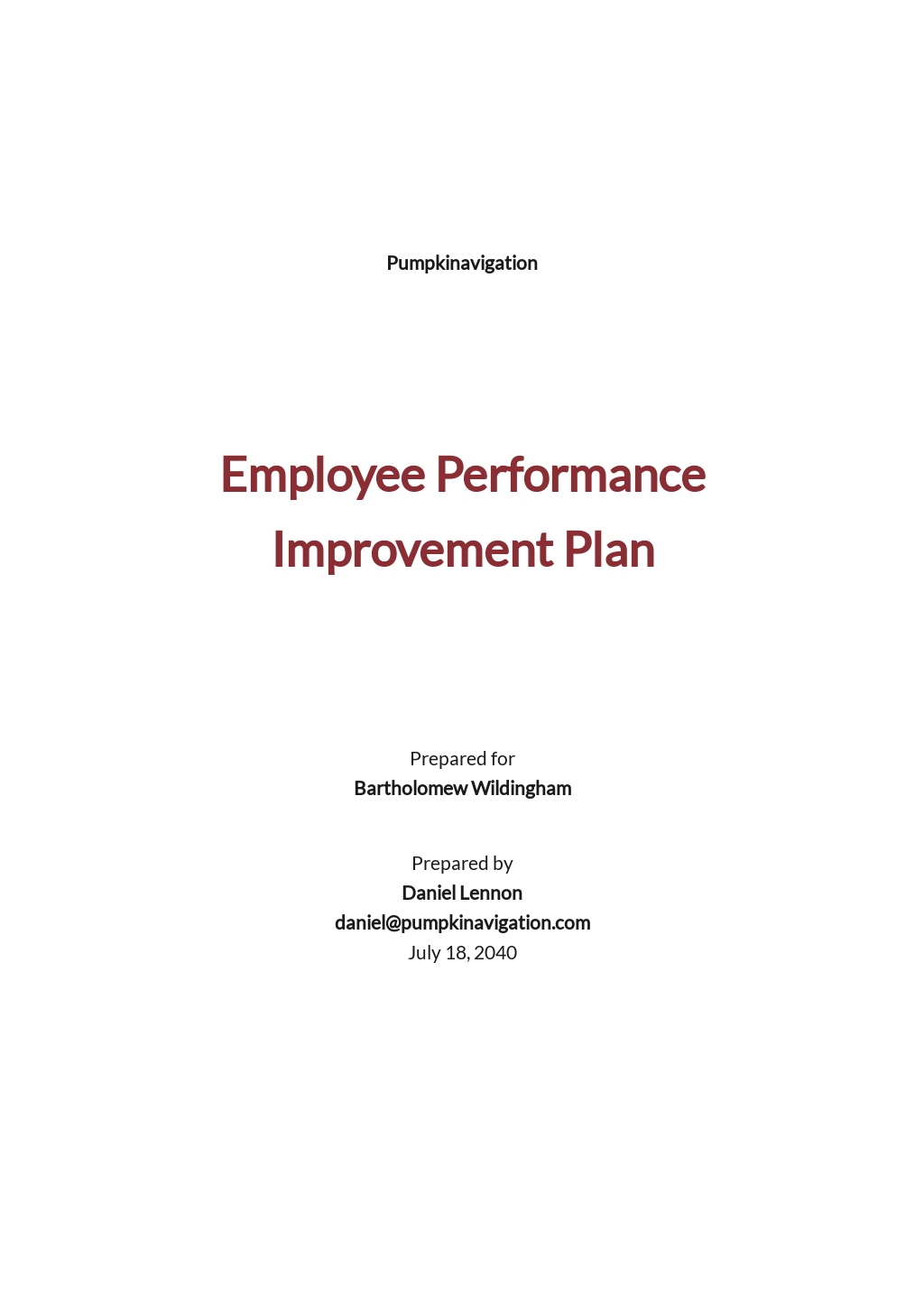 1024×1446 improvement plan templates edit templatenet from www.template.net
  2500×1767 performance improvement plan templates examples from templatelab.com
  900×1274 employee improvement plan template charlotte clergy coalition from charlotteclergycoalition.com
  585×565 sample improvement plan templates ms word from www.sampletemplates.com
  800×540 performance improvement plan templates word excel from www.bestcollections.org
  1010×1203 performance improvement action plan template tutoreorg master from tutore.org


HR Improvement Plan Template :
HR Improvement Plan Template was posted in July 5, 2025 at 12:58 am. If you wanna have it as yours, please click the Pictures and you will go to click right mouse then Save Image As and Click Save and download the HR Improvement Plan Template Picture.. Don’t forget to share this picture with others via Facebook, Twitter, Pinterest or other social medias! we do hope you'll get inspired by SampleTemplates123... Thanks again! If you have any DMCA issues on this post, please contact us!