Job Performance Review Plan Template
“`html
Job Performance Review Plan Template
A job performance review plan template provides a structured framework for evaluating an employee’s performance, identifying areas for improvement, and setting goals for future success. It’s a crucial tool for fostering open communication, providing constructive feedback, and aligning individual contributions with organizational objectives. A well-designed template ensures consistency, fairness, and objectivity throughout the performance review process.
Key Components of a Job Performance Review Plan Template
- Employee Information:
This section includes basic details about the employee, such as their name, job title, department, and hire date. It also includes the review period covered by the evaluation. This information helps contextualize the review within the employee’s tenure and role within the organization.
- Reviewer Information:
This section identifies the reviewer’s name, job title, and department. Knowing who conducted the review provides clarity and accountability for the evaluation.
- Job Responsibilities and Performance Standards:
This is a critical section that outlines the key responsibilities and duties of the employee’s role. It should clearly define the performance standards expected for each responsibility. These standards should be specific, measurable, achievable, relevant, and time-bound (SMART). For example, instead of stating “Manages projects effectively,” a better standard would be “Completes 95% of assigned projects on time and within budget.” Defining these expectations upfront allows for objective assessment and minimizes ambiguity.
- Performance Evaluation Metrics:
This section provides a structured approach to evaluate the employee’s performance against the defined responsibilities and standards. Common evaluation methods include:
- Rating Scales: Using numerical scales (e.g., 1-5) or descriptive scales (e.g., Exceeds Expectations, Meets Expectations, Needs Improvement) to rate performance in specific areas.
- Behavioral Anchored Rating Scales (BARS): Providing specific behavioral examples for each rating level to clarify expectations and improve objectivity.
- Narrative Comments: Allowing the reviewer to provide detailed qualitative feedback and examples of the employee’s performance.
The template should provide space for both quantitative ratings and qualitative comments to offer a comprehensive assessment.
- Key Accomplishments:
This section highlights the employee’s significant achievements and contributions during the review period. It allows the employee to showcase their successes and provides the reviewer with specific examples of their positive impact on the organization. Documenting accomplishments strengthens the review and provides concrete evidence for performance ratings.
- Areas for Improvement:
This section identifies areas where the employee can improve their performance or develop new skills. It’s crucial to frame this feedback constructively and focus on specific behaviors or skills, rather than personal attributes. Providing actionable recommendations and support resources can help the employee address these areas effectively. For example, instead of saying “Needs to improve communication skills,” a better statement would be “Could benefit from attending a communication workshop to enhance presentation skills and active listening techniques.”
- Goals and Objectives:
This section outlines specific, measurable, achievable, relevant, and time-bound (SMART) goals and objectives for the employee to focus on during the next review period. These goals should align with both the employee’s career aspirations and the organization’s strategic objectives. Collaborative goal-setting, where the employee and reviewer jointly develop the goals, increases buy-in and commitment.
- Development Plan:
This section outlines specific steps the employee will take to achieve their goals and address areas for improvement. This might include training programs, mentorship opportunities, special projects, or self-study initiatives. The development plan should be realistic, supported by the organization, and regularly reviewed to ensure progress.
- Employee Comments:
This section provides the employee with an opportunity to respond to the review, share their perspectives, and add any relevant information. It encourages two-way communication and allows the employee to voice their concerns or ask clarifying questions. The employee’s comments should be carefully considered and addressed by the reviewer.
- Signatures:
This section provides space for the employee and reviewer to sign and date the review document, acknowledging that they have discussed the performance evaluation and agreed on the development plan. The signatures serve as a record of the review and ensure accountability.
Benefits of Using a Job Performance Review Plan Template
- Consistency and Fairness: Ensures that all employees are evaluated using the same criteria and process.
- Objective Assessment: Promotes objective evaluation by focusing on specific performance standards and measurable results.
- Improved Communication: Facilitates open and honest communication between employees and managers.
- Enhanced Performance: Identifies areas for improvement and provides a framework for developing employee skills and knowledge.
- Increased Employee Engagement: Shows employees that their contributions are valued and that the organization is invested in their development.
- Legal Compliance: Provides documentation of performance evaluations, which can be important for legal purposes.
Customizing the Template
While a template provides a solid foundation, it’s important to customize it to fit the specific needs of the organization and the individual roles being evaluated. Consider the following when customizing the template:
- Industry-Specific Requirements: Adjust the performance metrics and standards to reflect the unique demands of the industry.
- Company Culture: Align the language and tone of the template with the company’s values and communication style.
- Job-Specific Responsibilities: Tailor the job responsibilities and performance standards to the specific duties of each role.
- Organizational Goals: Ensure that the goals and objectives outlined in the template support the overall strategic objectives of the organization.
By implementing a well-designed and consistently applied job performance review plan template, organizations can foster a culture of continuous improvement, drive employee engagement, and achieve their business goals.
“`
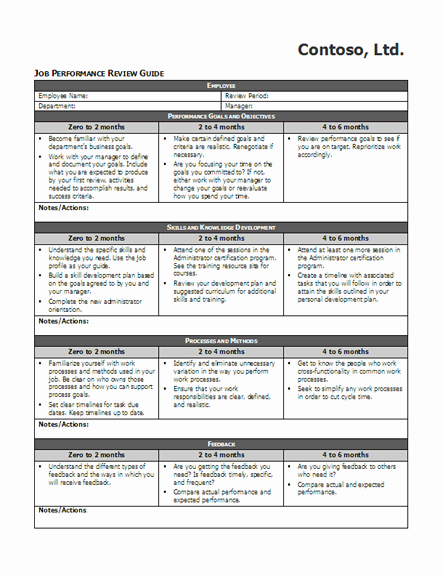 443×575 job performance review template word templates from word.microsofttemplates.org
  826×958 annual review template examples fairygodboss from fairygodboss.com
  790×1426 employee evaluation forms performance review examples from templatelab.com
  1024×1323 printable performance review checklist template checklist from www.checklist.templateral.com


Job Performance Review Plan Template :
Job Performance Review Plan Template was posted in October 12, 2025 at 2:12 am. If you wanna have it as yours, please click the Pictures and you will go to click right mouse then Save Image As and Click Save and download the Job Performance Review Plan Template Picture.. Don’t forget to share this picture with others via Facebook, Twitter, Pinterest or other social medias! we do hope you'll get inspired by SampleTemplates123... Thanks again! If you have any DMCA issues on this post, please contact us!